

Scarring, Treated in Order.
Acne scarring responds well to treatment, but only once the acne itself is quiet, so we calm the skin first and then rebuild texture in planned stages.
Scarring, Treated in Order.
Acne scarring responds well to treatment, but only once the acne itself is quiet, so we calm the skin first and then rebuild texture in planned stages.
Why We Treat the Acne First
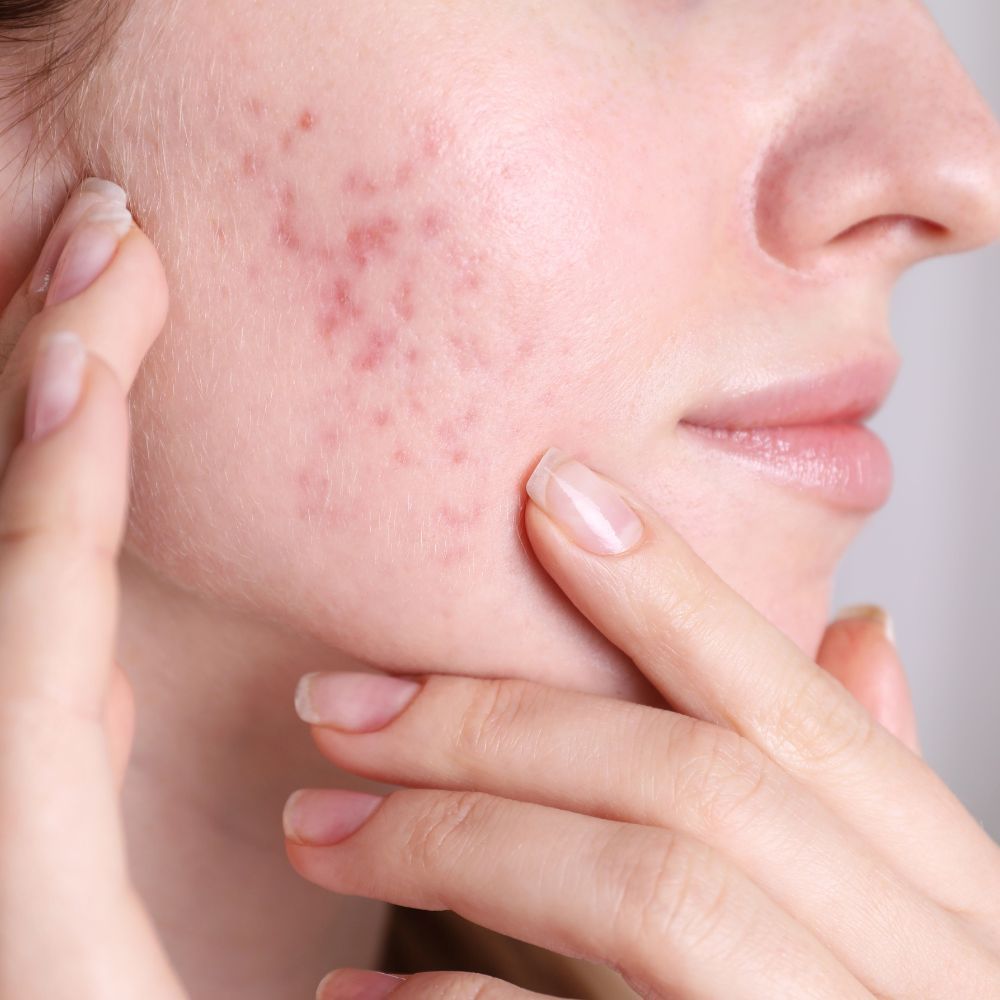
Not everything left behind by acne is a scar. Flat brown or red marks are pigment and inflammation, and those fade on their own timeline with help. True scarring is a change in the structure of the skin: shallow rolling dips, sharp edged boxcar craters, narrow icepick pits, or raised firm tissue. Each type responds differently, and most people have a mixture.
Treating scars while acne is still active is the most common mistake we see. Resurfacing works by creating controlled injury so the skin rebuilds collagen, and skin that is already inflamed responds to that injury by inflaming further. You risk new breakouts, longer healing, and fresh pigment sitting on top of the texture you were trying to improve.
So we take it in order. We settle the acne first, however long that reasonably takes, then we assess the scarring properly once the noise has cleared. Very often the scarring looks less severe at that point, because a good part of what you were seeing was colour rather than depth, and the plan gets shorter as a result.
Four Reasons People Choose Us for Scarring
Assessment Before Treatment
We identify which marks are pigment and which are structural, because the two need entirely different plans.
The Right Sequence
Acne is calmed before resurfacing begins, which protects your result and shortens the overall course.
Depth Chosen Deliberately
Settings are matched to your scar type and skin tone rather than run at one standard depth for everyone.
Honest Expectations
We tell you what improvement is realistic before you commit, including when scarring will only partly respond.
What a Course of Resurfacing Supports
Scarring improves in increments across a series, and the change becomes obvious in photographs before it becomes obvious in the mirror.
Softer Scar Edges
Sharp rims around boxcar scars soften as new collagen fills in beneath them across successive sessions.
More Even Light
Shallower dips catch shadow less obviously, so skin reads smoother in overhead and side lighting.
Improved Firmness
Collagen laid down through the course gradually thickens the skin around treated areas and improves support.
Better Makeup Wear
Foundation sits more evenly on smoother texture instead of settling into and outlining each depression.
Fading of Old Marks
Lingering brown and red discoloration from past breakouts continues to lift as the skin renews.
A Measured Record
Photographs at set intervals show what changed, so the decision to continue is based on evidence.
Depth, Skin Tone, and Safety
Resurfacing works by making controlled micro injuries that the skin repairs with new collagen. The depth of those injuries has to match the depth of the scar, and it also has to respect your skin tone. Deeper phototypes carry a real risk of post inflammatory pigmentation if treatment is run too aggressively, which is why we build up rather than start at maximum.
That is also why this is done under a clinical license. Ansa assesses the skin, chooses the depth, performs the treatment, and reviews the healing herself. She will also tell you when a particular scar type, an icepick pit for example, is unlikely to respond well to resurfacing alone, so you are not paying for sessions that were never going to reach it.

Scarring Improves in Stages.
No single session resolves texture built up over years. We plan a course, photograph the progress, and reassess before extending it.

How the Course Is Planned
At the consultation we map your scarring, note which areas are structural and which are pigment, and photograph everything under consistent lighting. If breakouts are still active, the first phase of the plan is acne control, and we are clear about that before you commit to anything longer.
Once resurfacing begins, sessions sit several weeks apart because collagen takes that long to lay down. You can expect redness and a sandpaper feel for a few days after each one. We review at the midpoint, compare photographs, and decide together whether to continue at the same depth, adjust it, or stop.
Questions We Are Asked About Scarring
No, and anyone promising that is not being straight with you. Scarring is structural change in the skin, and treatment softens and refills it rather than erasing it. Meaningful improvement across a course is a realistic goal, and we will tell you at assessment roughly how much of it we expect in your case.
Usually not. Flat brown or red patches are post inflammatory pigment and redness, and they fade over months as the skin renews. True scars are dips or raised tissue you can feel. We separate the two at assessment, because pigment needs a much lighter approach than texture.
It depends on scar depth, scar type, and how your skin heals, so we give you a realistic range at consultation rather than a number over the phone. Most people are looking at a series spaced several weeks apart. We review with photographs partway through and adjust from there.
Occasional spots are usually workable, but skin that is actively inflamed is not. Resurfacing inflamed skin tends to trigger more breakouts and more pigment, which sets the plan back. We settle the acne first, then treat texture, and that order genuinely shortens the overall course.
Expect redness that looks like sunburn for a day or two and a rough, dry texture for several days after that. Most people are comfortable in normal makeup within a few days. We will give you the aftercare in writing and tell you what to avoid while the skin repairs.
Treatments That Pair With This
Microneedling with PRP
Your own platelets added to microneedling to support healing and collagen through the course.
Acne Treatment
The first phase for most people, settling active breakouts before texture work begins.
Skin Brightening and Pigmentation
For the brown and red marks acne leaves behind, which are pigment rather than scar.
Start With an Honest Assessment.
Bring us your skin as it is today and we will tell you what is scar, what is pigment, and what a realistic course would look like.
