
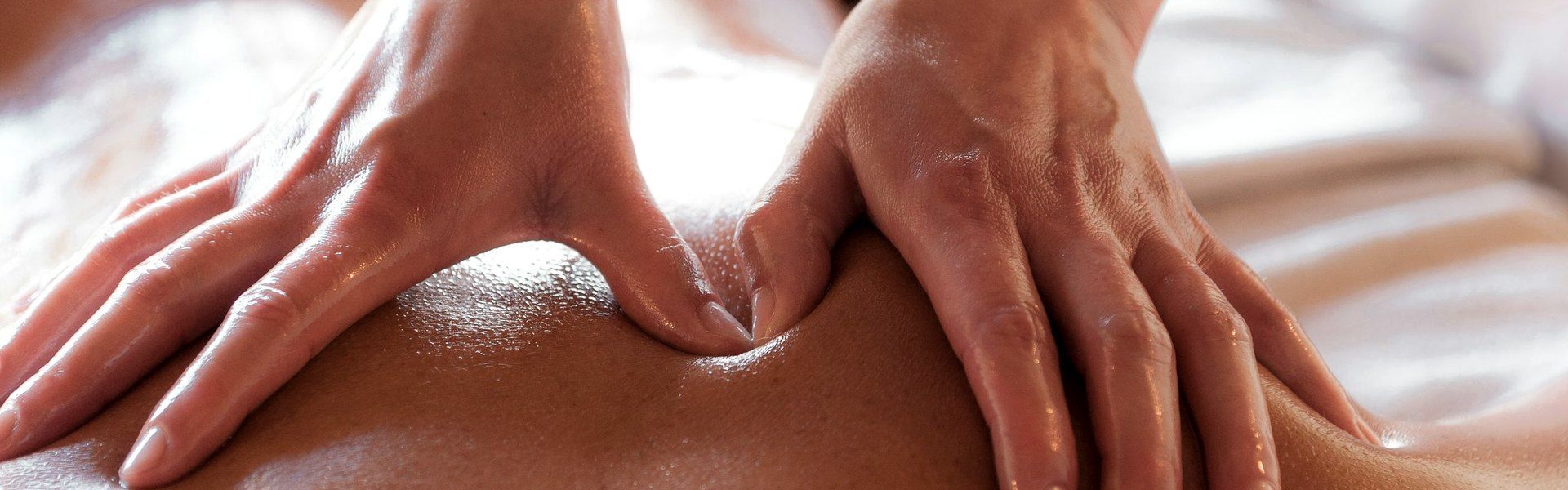
Recovery Work, Cleared by Your Surgeon.
Post-op recovery massage uses gentle lymphatic technique to settle the swelling, tightness and fluid that follow surgery. We begin only once your surgeon clears you.
Recovery Work, Cleared by Your Surgeon.
Post-op recovery massage uses gentle lymphatic technique to settle the swelling, tightness and fluid that follow surgery. We begin only once your surgeon clears you.
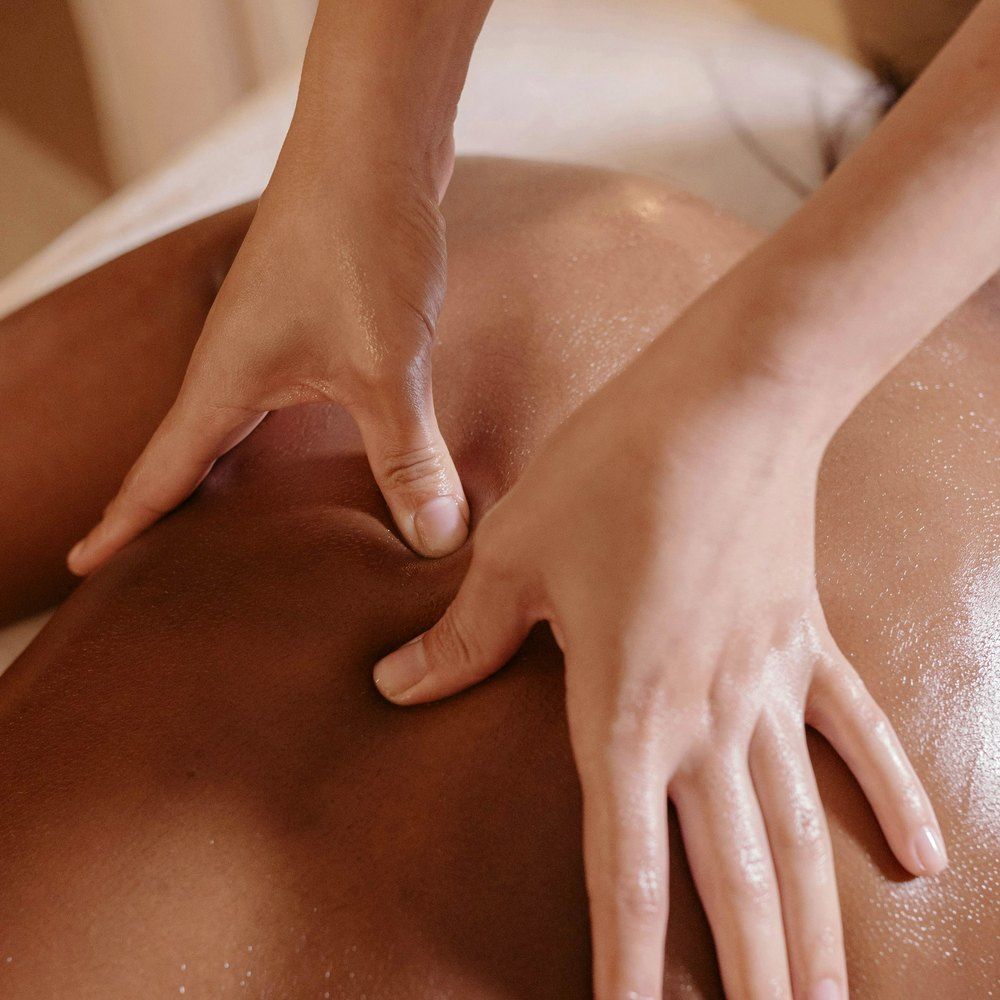
What Post-Op Recovery Massage Is and Is Not
Post-op recovery massage is lymphatic drainage adapted to a body that is healing. The strokes are light and rhythmic, the pace is slow, and the goal is to support the fluid that collects in tissue after an operation. Surgeons often prescribe a course of this work after liposuction, a tummy tuck or a BBL, and we follow the plan they set.
We will not begin without clearance from the surgeon who operated on you. Written clearance is ideal, and a documented verbal clearance passed on from their office is acceptable, but a friend's recommendation or your own timeline is not. That rule exists because only your surgeon knows how your incisions are closing, what drains are still in place and what your tissue can tolerate.
It is also worth being clear about limits. We never work over an unhealed incision, and we stay away from any site that is open, weeping, hot or newly sutured. This massage does not speed up healing on its own, does not change a surgical result, and is not a substitute for your follow up appointments. If something looks wrong, we stop and send you back to your surgeon.
Four Reasons Patients Book Post-Op Recovery Work
Surgeon Prescribed Care
Many cosmetic surgeons build a course of lymphatic massage into recovery, and we deliver that course to their instructions.
Swelling and Tightness
The fluid that gathers after liposuction or a tummy tuck can leave tissue feeling heavy, firm and uncomfortable.
Clinical Judgment
A board certified nurse practitioner assesses your incisions, drains and medications before any hands are placed on you.
Someone Who Says No
If you arrive without clearance or too soon after surgery, we reschedule you rather than take the risk.
What Post-Op Massage Supports
With clearance in hand, this is what gentle recovery work tends to support, and every item below describes support for your own healing rather than a guaranteed surgical outcome.
Reduced Swelling
Light drainage supports the movement of post surgical fluid toward nodes that can process and clear it.
Softer Tissue
Gentle repeated contact around treated areas can help firm, tight tissue feel more pliable as weeks pass.
More Comfort
Many patients report that heaviness and pressure ease for a day or two following each session.
Easier Movement
Less fluid and less tightness often make it simpler to walk, sit and sleep through early recovery.
Calmer Recovery
An hour of slow, quiet, supervised care gives your nervous system a break during a stressful stretch.
Careful Monitoring
We look at your incisions and skin at every visit, and we flag anything that needs your surgeon.
Why Clearance Comes Before Contact
Surgery interrupts lymphatic vessels along with everything else in its path, so fluid that used to drain easily can collect in the space that was treated. Gentle, rhythmic skin level work supports the remaining vessels as they take over that job. The technique is the same light touch used in lymphatic drainage, adjusted around your incisions, your drains and your comfort.
Healing tissue is also fragile, which is why we require clearance from your operating surgeon before the first session and why we never work over an unhealed incision. We also screen for the usual contraindications: active infection, untreated congestive heart failure, an acute deep vein thrombosis, and active cancer without oncology clearance. Any redness, heat, fever or drainage that looks wrong sends you back to your surgeon, not onto our table.
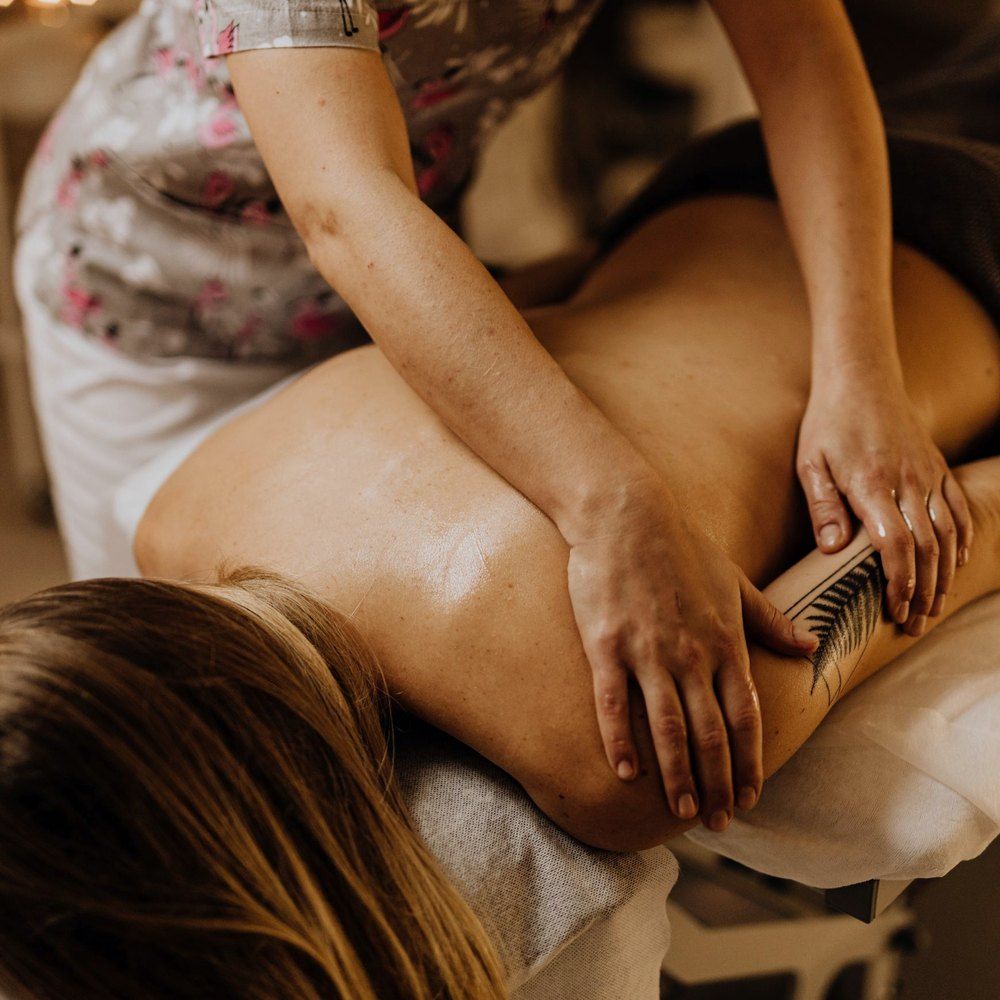
Your Surgeon Clears It First.
We would rather move your appointment by a week than put hands on a body that is not ready for them yet.
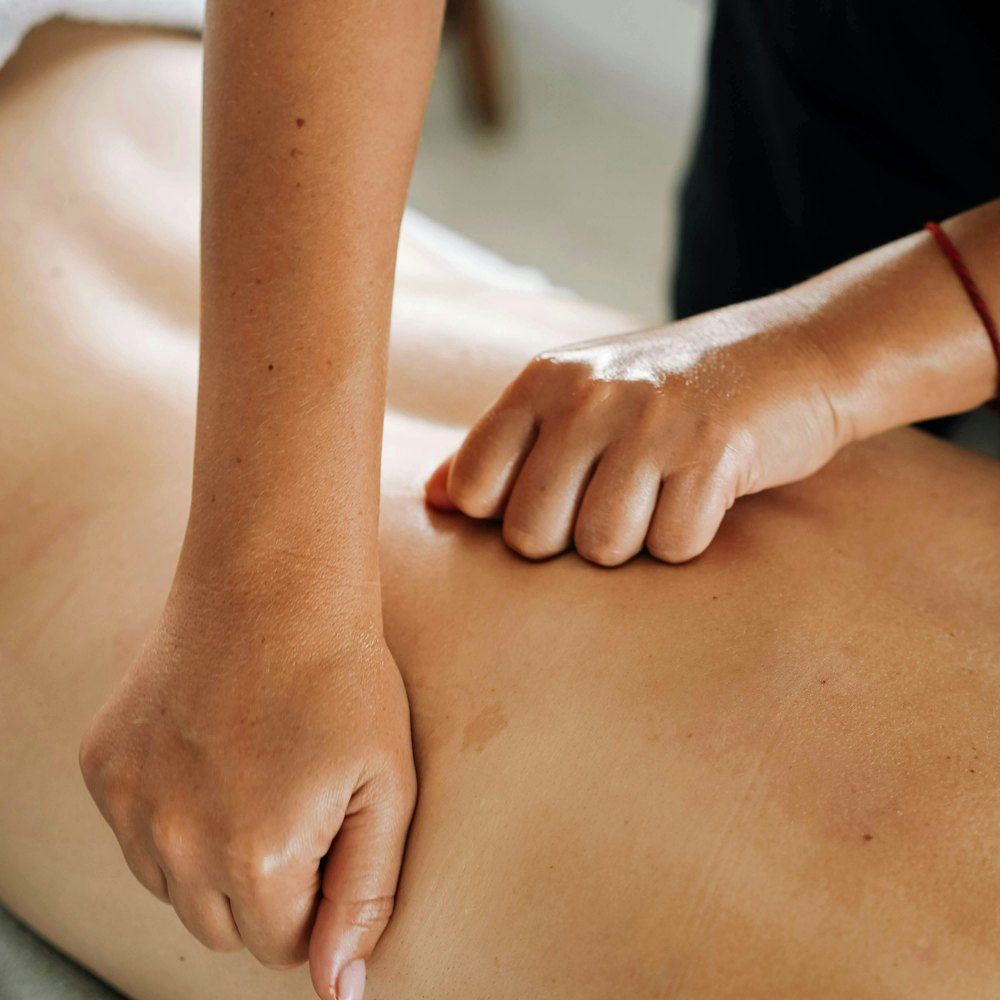
What Your First Post-Op Session Looks Like
Bring your surgeon's clearance, your discharge instructions and the name of your procedure to our office in New City, New York. We read all of it before we touch you, then we look at the area, note where your incisions sit and ask what your surgeon told you to avoid. If the clearance is missing, we will call the office with your permission or move the appointment.
The session itself is quiet and slow. We open the drainage pathways at your neck and groin first, then work gently around the treated area, always avoiding any incision that has not closed. You stay in control of the pressure, and we check in as we go. Afterward we go over positioning, compression garments and what your surgeon wants you doing at home.
Questions We Are Asked Most
Yes, without exception. We need clearance from the surgeon who performed your operation, either in writing or documented verbally from their office, before your first session. Only they know how your incisions are closing and when your tissue is ready. If you do not have it yet, we will hold your appointment until you do.
That date belongs to your surgeon, not to us. Some prescribe a first session within days, others want a couple of weeks, and the answer depends on your drains, your incisions and how you are healing. We follow whatever timeline they give in writing. We will not start earlier because you feel ready.
No. We never work over an incision that has not fully healed, and we keep a clear margin around anything that is open, sutured, scabbed or draining. The technique works on the surrounding tissue and on the drainage pathways further away, which is where the fluid needs to travel anyway. Once a scar is closed and your surgeon agrees, we can work on it directly.
No, and we will not suggest otherwise. Your result comes from the operation and from how your body heals. What this work supports is the swelling, heaviness and tightness along the way, which is why surgeons prescribe it. Anyone promising a better contour from a massage table is selling you something we are not.
Your surgeon usually sets the number, and a course of several sessions across the first few weeks is common. We book to that plan rather than inventing one. If you are healing well and we think you have had enough, we will say so. We would rather lose a booking than take money for something you no longer need.
Treatments That Pair With This
Massage Therapy
The full picture of our hands on work, and how we decide what suits you.
Lymphatic Drainage Massage
The same light technique used for everyday swelling, heaviness and puffiness outside of surgical recovery.
IV Hydration Therapy
Fluid and electrolytes placed directly into your bloodstream to support recovery when drinking is difficult.
Bring Your Clearance First.
Call (914) 571-6870 with your procedure date and your surgeon's instructions, and we will schedule your course around what they have asked you to do.
