

Fine Lines, Softened.
We work on the quality of your skin so lines sit shallower and catch less shadow, and we are honest about which lines respond and which will not.
Fine Lines, Softened.
We work on the quality of your skin so lines sit shallower and catch less shadow, and we are honest about which lines respond and which will not.

Why Lines Form Where They Do
Lines come from two directions. Dynamic lines are creases folded into the skin by expression, which is why they appear first around the eyes and across the forehead. Static lines are the ones still visible when your face is completely at rest, and they reflect what has happened to the structure of the skin itself over the years.
That structural side is mostly collagen and elastin. Both decline steadily with age, and ultraviolet exposure accelerates the decline more than any other external factor. Dehydration and a compromised barrier make everything look worse temporarily, which is why lines can appear noticeably deeper during a dry winter and soften again once the skin is properly supported.
Understanding which kind you have matters, because they respond to different things. Treatments that build collagen improve static lines and overall skin quality over a course of months. Deep folds and lines caused by volume loss are a different problem, and we will tell you plainly at consultation when that is what we are looking at.
Four Reasons People Start Here
Skin Quality First
We improve the skin itself, so lines sit in firmer, better supported tissue rather than thin, dry skin.
An Honest Assessment
We tell you which of your lines will respond to what we do, and which need a different conversation.
A Gradual, Natural Pace
Change accumulates across a course, so you look like yourself on a good day rather than treated.
Planned by a Clinician
A board certified nurse practitioner reads your skin and writes the plan, then performs it herself.
What a Course of Treatment Supports
Collagen builds slowly, so expect the clearest change somewhere between two and six months after starting, and expect it to keep improving quietly.
Shallower Fine Lines
Firmer, better supported skin lets fine lines settle less deeply and catch noticeably less shadow.
Smoother Texture
Surface refinement makes skin reflect light evenly, which softens how lines read in photographs.
Improved Firmness
New collagen laid down through the course gradually strengthens the structure that holds skin taut.
Better Hydration
A repaired barrier holds water more effectively, and well hydrated skin shows creasing far less.
More Even Tone
Sun damage sitting alongside lines lightens through the course, which brightens the overall impression.
Skin That Ages Steadily
Consistent collagen support helps skin hold its quality as the years continue, rather than declining unaddressed.
What Collagen Treatment Can and Cannot Do
Collagen stimulating treatments create controlled micro injury, and the skin repairs it by laying down new collagen over the following weeks. That process genuinely improves skin thickness, firmness, and fine surface lines. It is gradual by nature, which is why we plan a course and photograph it rather than judging by how your skin looks the following morning.
What it does not do is stop your face from moving or replace volume that has been lost from the deeper structures. A crease that only appears when you smile, or a fold that comes from descent rather than skin quality, is a different question. Ansa will say so at consultation instead of selling you sessions aimed at the wrong problem.
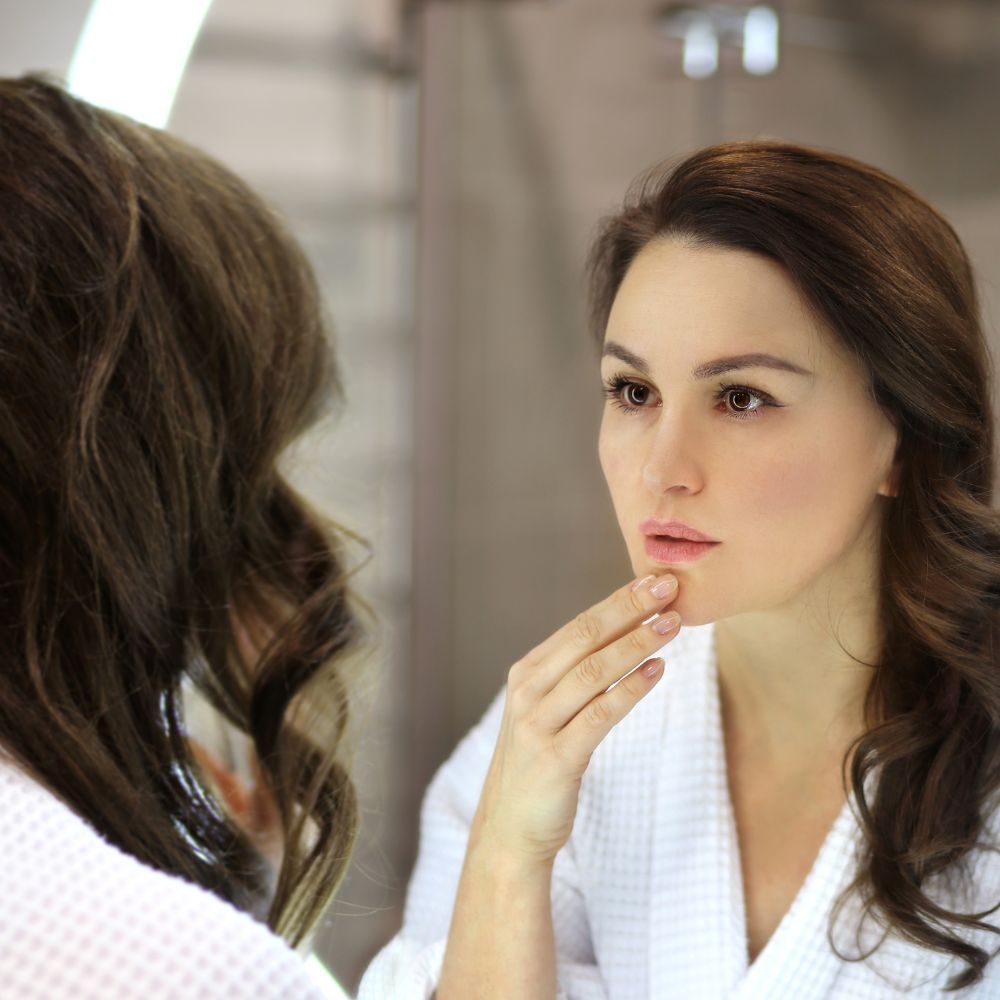
Gradual, and That Is the Point.
Skin that improves slowly does not announce itself. People notice you look well rested rather than noticing you had something done.

How We Build the Plan
At the consultation we look at your skin at rest and in movement, since that is the quickest way to separate the two kinds of lines. We photograph in consistent lighting, discuss your history with sun and skincare, and agree a course with a realistic timeline attached to it. Our office in New City is quiet and unhurried, so there is time for this.
Between sessions your home routine does a meaningful share of the work, so we keep it simple and specific. We review with photographs partway through the course. If your skin is responding faster or slower than expected, we adjust the spacing or the approach rather than continuing on autopilot.
Questions About Lines and Texture
There is no correct age, and we would rather look at your skin than your birthday. Many people start when lines begin to stay visible at rest, which is usually in the thirties. Starting earlier tends to mean gentler, less frequent treatment, since we are supporting skin quality rather than catching up.
Collagen builds over weeks, so most people see the first change at around six to eight weeks and the clearest change between two and six months. It keeps improving quietly after the course finishes. Photographs matter here, because gradual change is very hard to judge in your own mirror.
Fine lines are shallow surface creases largely related to skin quality and hydration, and they respond well to collagen support. Deeper set wrinkles involve the structure beneath and often movement or volume loss. We assess both at consultation and are clear about which we can meaningfully improve.
Yes, with adjusted settings. The skin around the eyes is thinner and needs a lighter approach, similar to how we treat the neck. Ansa treats that area more conservatively and spaces sessions accordingly, and we will talk through what is realistic for that specific area.
The collagen built during a course stays with you, but skin continues to change with time and sun exposure, so results soften without maintenance. Most people move to occasional maintenance sessions after the initial course. Daily sun protection does more to preserve the result than anything else.
Treatments That Pair With This
Start With an Assessment.
Come and have your skin read properly. We will tell you what a realistic course looks like and what it will not fix.
