

Hold On to What You Have.
We deliver platelet rich plasma into the scalp to support follicles that are still alive, and we photograph every visit so you can judge the result.
Hold On to What You Have.
We deliver platelet rich plasma into the scalp to support follicles that are still alive, and we photograph every visit so you can judge the result.
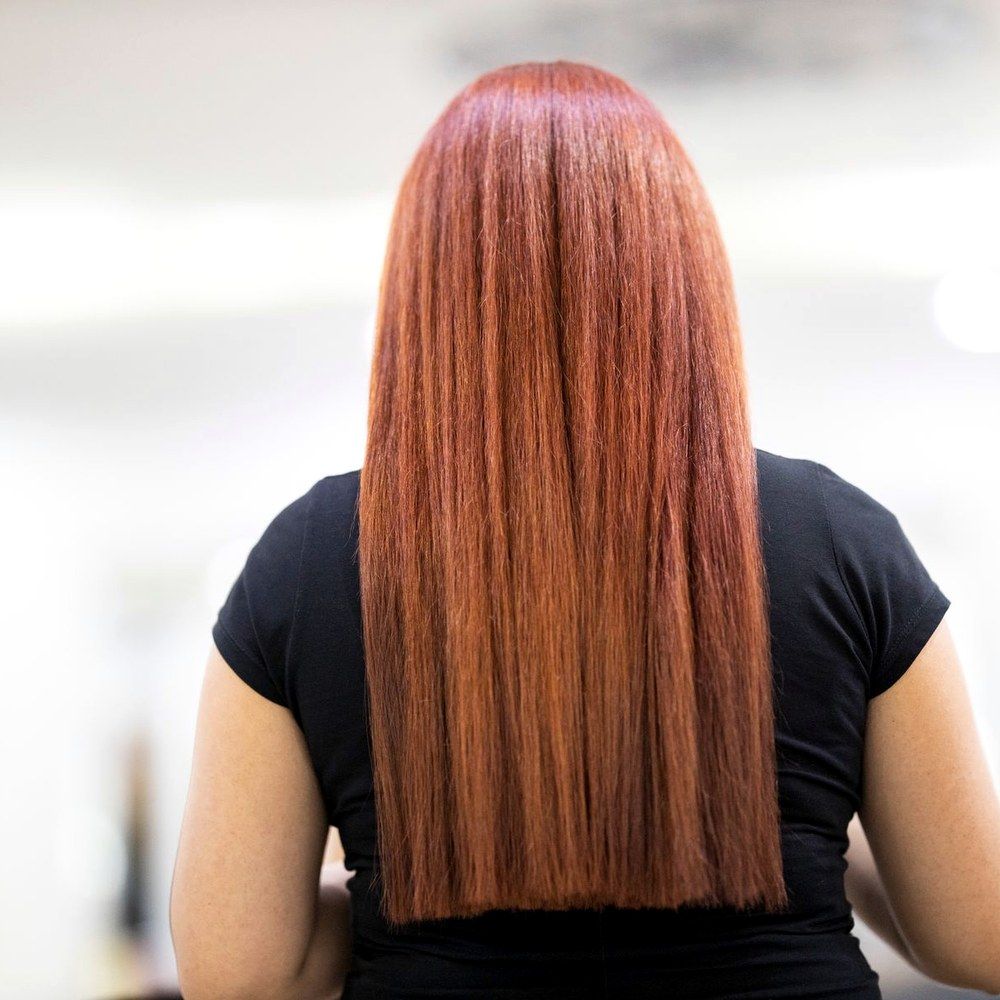
What PRP Does at the Scalp
A hair follicle does not die quietly. It miniaturizes first, producing thinner, shorter, paler hairs across several cycles before it stops altogether. PRP is aimed squarely at that window. Concentrated platelets delivered into the scalp give struggling follicles a stronger blood supply and a repair signal at the point where they can still respond.
That is also the limit, and we want it stated plainly. Where the follicle is gone, plasma has nothing to work with. A scalp that has been smooth and shiny for years will not fill in from this treatment, and we will tell you so at consultation rather than take your money for a course that cannot succeed.
So the honest goal is usually twofold: slow the loss you are currently seeing, and thicken the hairs that are still cycling. For most people that reads as more coverage, less scalp showing through under bright overhead light, and noticeably less hair collecting in the shower drain each morning.
Why Patients Choose PRP for Hair
Nothing Foreign Goes In
The material is your own plasma, drawn that morning, which sidesteps the question of tolerance entirely.
It Fits Around Life
A visit takes about an hour and you go straight back to your day afterward.
It Works Alongside Medication
Many people run a course beside a prescribed topical or oral treatment, and the two do not compete.
Progress Is Documented
We take standardized photographs, so the question of whether it is working has an actual answer.
What a Full Course Supports
Hair moves on its own schedule, so we look for meaningful change at three months and a clearer verdict at six.
Reduced Shedding
Most people notice less hair in the brush and the drain before they see anything else.
Thicker Individual Hairs
Existing hairs often come back with more caliber, which reads across the scalp as fuller coverage.
A Steadier Part Line
A part that has been widening can hold its ground and sometimes narrow slightly.
Healthier Scalp
Improved blood supply tends to leave the scalp less irritated and less flaky across a course.
Slower Loss
Holding the line matters, and stabilizing an active loss pattern is a real result.
A Measurable Answer
Matched photography at every visit tells us honestly whether to continue, adjust, or stop.
The Course, Session by Session
We usually start with three or four sessions spaced four weeks apart. That spacing is not arbitrary. It tracks how the hair cycle responds to repeated stimulation, and it gives us a fair interval between photographs. After the initial course we reassess and, in most cases, move to maintenance visits every four to six months.
Ansa performs every draw and every injection herself as a board certified family nurse practitioner. She also decides when a course is not working. If your photographs at month three show nothing, we will say so and talk about what else is on the table, including a referral if the underlying cause turns out to be medical.

A Course, Not a Session.
One visit tells you almost nothing. A course, photographed and reassessed, tells you everything you need in order to decide.

Your First Scalp Appointment
We start by looking, not treating. We part the hair in several places, examine density at the crown, the temples, and the part line, and take the first set of photographs. We ask about family history, thyroid, iron, recent illness, stress, and any medication changes, because the cause shapes the plan we build.
If plasma fits, we can usually treat the same day. We draw blood, spin it, numb the scalp, and inject across the mapped zone. You will feel pressure and brief stings. Your scalp may be tender that evening. Wash your hair normally the next morning and carry on. We are on South Main Street in New City.
What Patients Ask About Scalp PRP
It supports follicles that are still producing hair, and the evidence for that is reasonable. It does not restore follicles that have already been lost. Where the scalp has been bare for years, we will tell you plasma is not the answer rather than sell you a course.
Typically three to four sessions about a month apart, then maintenance every four to six months. The plan depends on how much loss is active and how your scalp responds. We reassess with photographs before committing you to anything beyond the first course.
Reduced shedding is often the first sign, sometimes by week six. Visible density change takes three months at minimum and reads more clearly at six, because the hair cycle simply moves at that pace. Anyone promising you faster is guessing.
The scalp is sensitive, so we numb it before injecting. Most people describe brief stinging and a pressure sensation rather than real pain. The injections take about fifteen minutes, and tenderness that evening is the usual aftermath.
Yes, and many of our patients do exactly that. Topicals and plasma work through different routes, and we see no reason for you to stop one in order to try the other. Bring your current regimen to consultation so we can plan around it.
Get Your Scalp Assessed.
Book a consultation and we will look properly, photograph the baseline, and tell you honestly whether a course of PRP is worth your time.
