
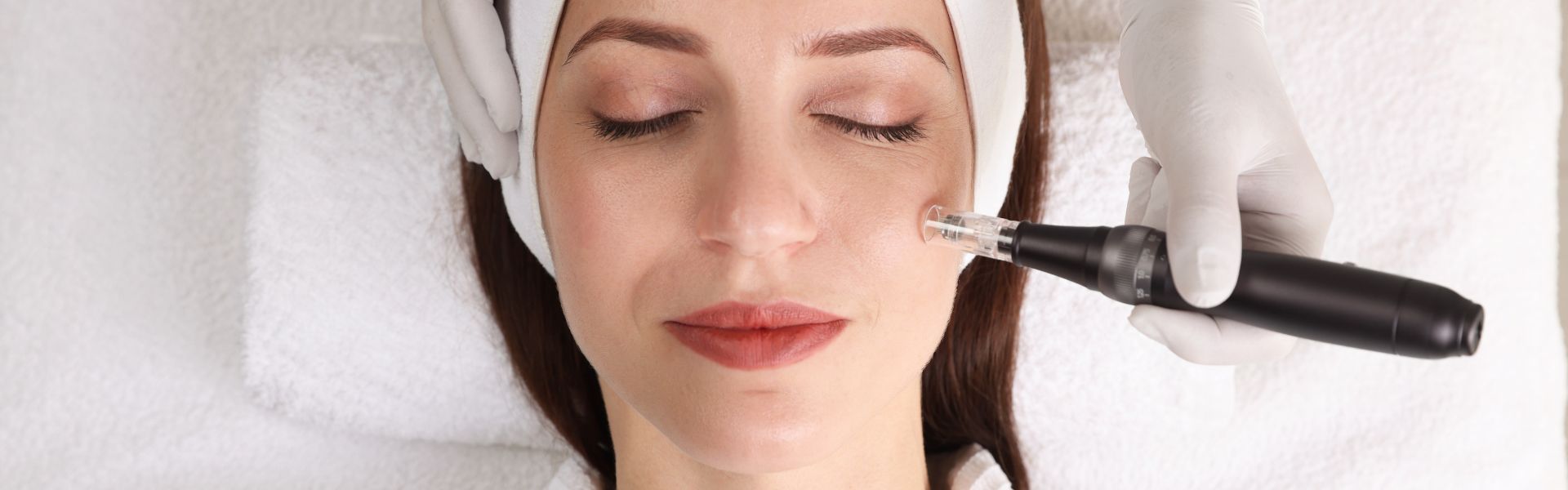
Your Skin, Rebuilding Itself.
Microneedling creates thousands of controlled micro injuries that prompt your skin to lay down new collagen, refining texture, pores, and scarring gradually across a planned course.
Your Skin, Rebuilding Itself.
Microneedling creates thousands of controlled micro injuries that prompt your skin to lay down new collagen, refining texture, pores, and scarring gradually across a planned course.
How Controlled Injury Rebuilds Skin
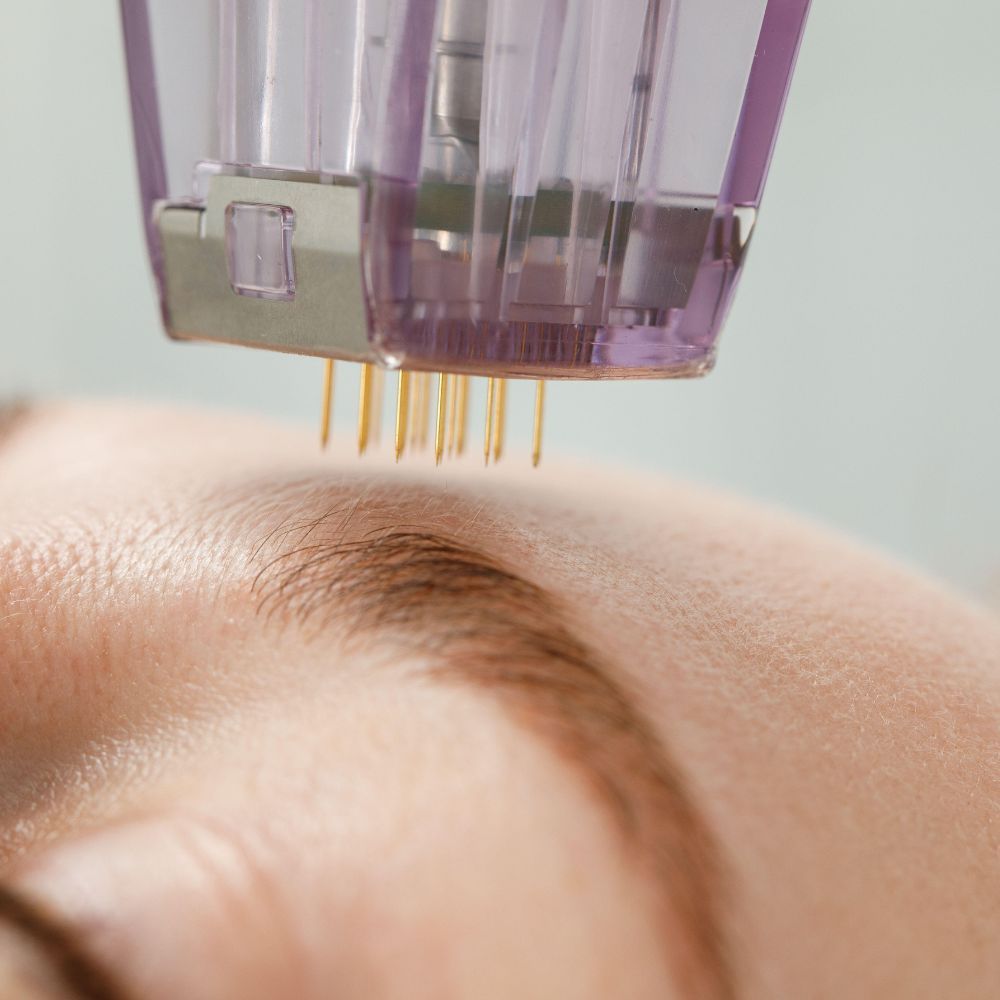
Microneedling uses a device with fine sterile needles to create thousands of tiny channels in the skin at a set depth. Each channel is a small, deliberate wound. Your body responds the way it responds to any injury, by producing fresh collagen and elastin to repair the area.
The work is done by your own repair response, which is why results build slowly rather than appearing overnight. Collagen remodeling continues for weeks after a session, and it keeps compounding across a course. Most people start noticing the difference somewhere around the second or third treatment.
Depth is the whole game. We use finer settings on thin skin around the eyes and go deeper on scarred cheeks or a textured forehead. Choosing that depth well is a clinical decision, which is why it belongs with a licensed provider rather than a device bought online.
Four Reasons People Choose Microneedling
It Uses Your Biology
Nothing is injected. The result comes from your own collagen response to controlled micro injury.
Safe Across Skin Tones
Because it works mechanically rather than with heat or light, the risk of pigment change stays comparatively low.
Real Effect on Scarring
It reaches the depth where indented acne scarring sits, which surface treatments simply cannot.
Short, Predictable Recovery
Redness for a day or two, then back to normal, with no peeling phase to plan around.
What a Course of Microneedling Supports
Change is gradual by design, with most people seeing meaningful texture improvement across three to six sessions spaced four to six weeks apart and collagen continuing to build afterwards.
Smoother Texture
Rough, uneven skin refines as new collagen fills in surface irregularities over successive sessions.
Softer Acne Scarring
Indented scarring lifts gradually as collagen builds beneath it, which needs depth rather than exfoliation.
Tighter Looking Pores
Pores look smaller when the collagen supporting the surrounding skin is stronger and better organized.
Fine Line Support
Early lines around the eyes and mouth soften as skin thickness and elasticity improve.
More Even Tone
Marks left behind by old breakouts often settle as turnover and repair are stimulated.
Firmer Skin Quality
Skin generally feels denser and more resilient after a full course rather than a single session.
Why Depth and Sterility Decide Everything
Too shallow and nothing much happens beyond mild exfoliation. Too deep or too frequent and you risk prolonged inflammation, which is the opposite of what we want. The useful range is narrower than most people assume, and staying inside it is what separates a good course from an expensive one.
Sterility is the other half. Every pass opens thousands of channels into living skin, so cartridges are single use and never shared or reprocessed. We also screen for active acne infection, cold sores, keloid history, and certain medications, because any of those change whether we should treat at all.
A Course, Not a Single Session.
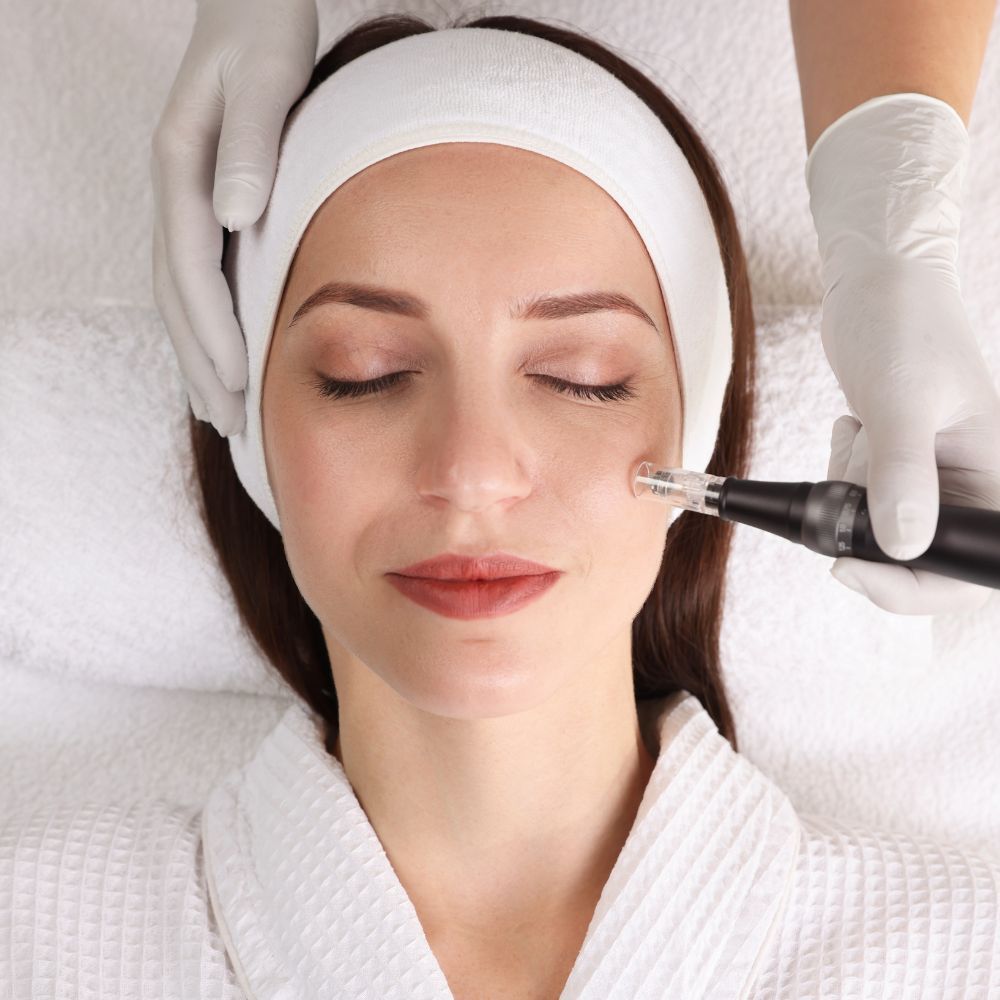
One treatment is a start, not a plan. We photograph at every visit and tell you honestly whether the course is doing what we hoped it would.
What Recovery Actually Looks Like
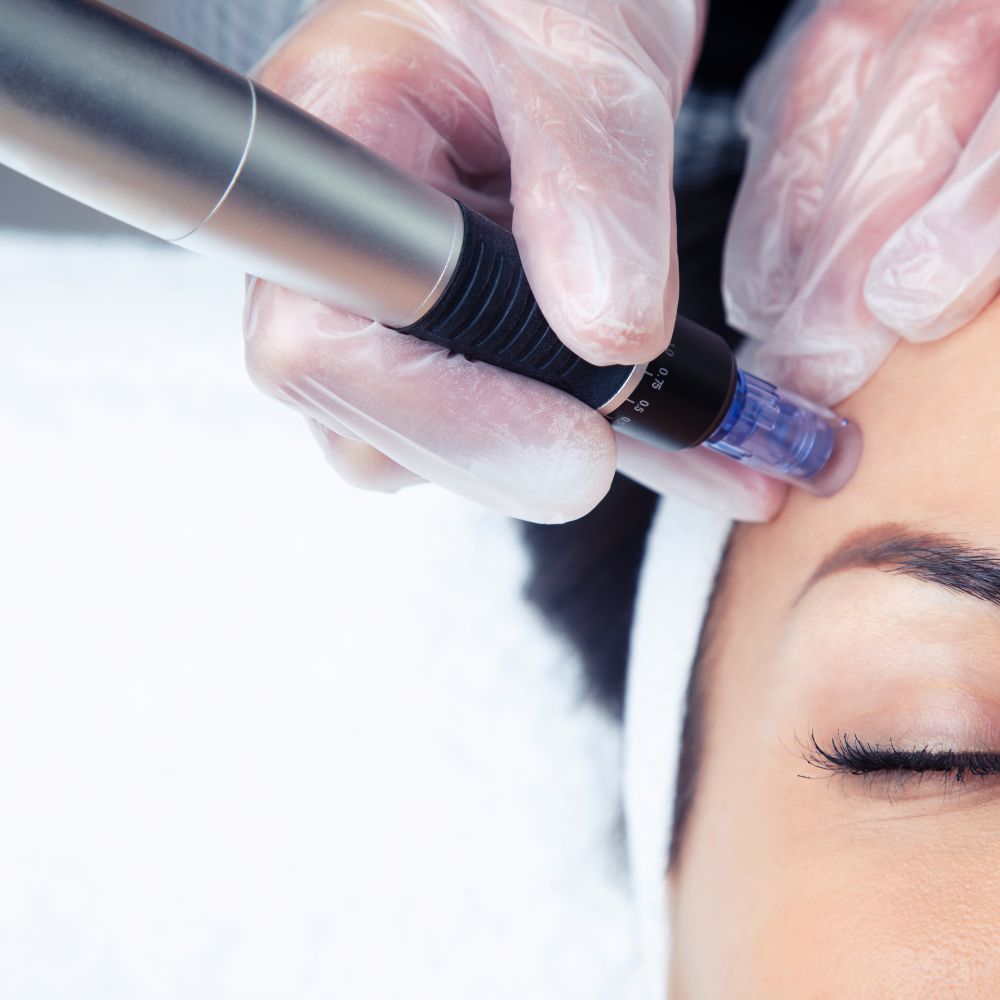
Numbing cream goes on for about half an hour first, so the treatment itself is tolerable for most people. You feel vibration and pressure, sharper across the forehead and along the jaw where skin sits close to bone. A full face takes twenty to thirty minutes of actual treatment time.
Immediately afterwards your skin is pink and warm, much like sunburn. That fades substantially within twenty four hours and is usually gone by day three. Some people flake lightly around day two. We give you a simple regimen for the first few days and ask you to leave makeup off overnight.
Questions We Are Asked Most
Most people need three to six sessions spaced four to six weeks apart. Texture and tone tend to show first, while acne scarring usually needs the higher end of that range. We photograph throughout, so the decision to continue is based on what we can both see.
Expect noticeable redness for the first twenty four hours and something closer to a mild flush on day two. Most people are comfortable in public by day two and back to normal by day three. Deeper settings used on scarring extend that slightly.
It is generally one of the safer resurfacing options across skin tones, because it works mechanically rather than with heat or light. The main consideration is pigmentation after inflammation, which we manage with conservative depth and careful aftercare. We ask about your history of pigment change before we start.
It can meaningfully soften indented scarring across a course, but complete removal is not something we would ever promise you. Ice pick scars in particular respond less than rolling or boxcar types. At consultation we will tell you which of your scars are likely to move and which are not.
We would not recommend it. Home rollers either fail to reach a useful depth or reach it without sterility and depth control, and infection and scarring are both real risks. The treatment works precisely because the depth is deliberate and the equipment is clinical.
Treatments That Pair With This
Microneedling with PRP
Add your own platelets to the same treatment when you want a stronger repair signal.
Microneedling with Exosomes
A blood free alternative when you want extra support without a draw.
Acne Scar Treatment
See how we plan for scarring specifically, and which scar types respond best.
Book a Skin Assessment.
Come in and we will look at your skin, explain what a course would involve, and be straight with you about what it can and cannot change.
