

Even Tone, Restored Gradually.
Pigmentation has several different causes, and the right treatment depends entirely on which one you have, so we identify that before we treat anything.
Even Tone, Restored Gradually.
Pigmentation has several different causes, and the right treatment depends entirely on which one you have, so we identify that before we treat anything.
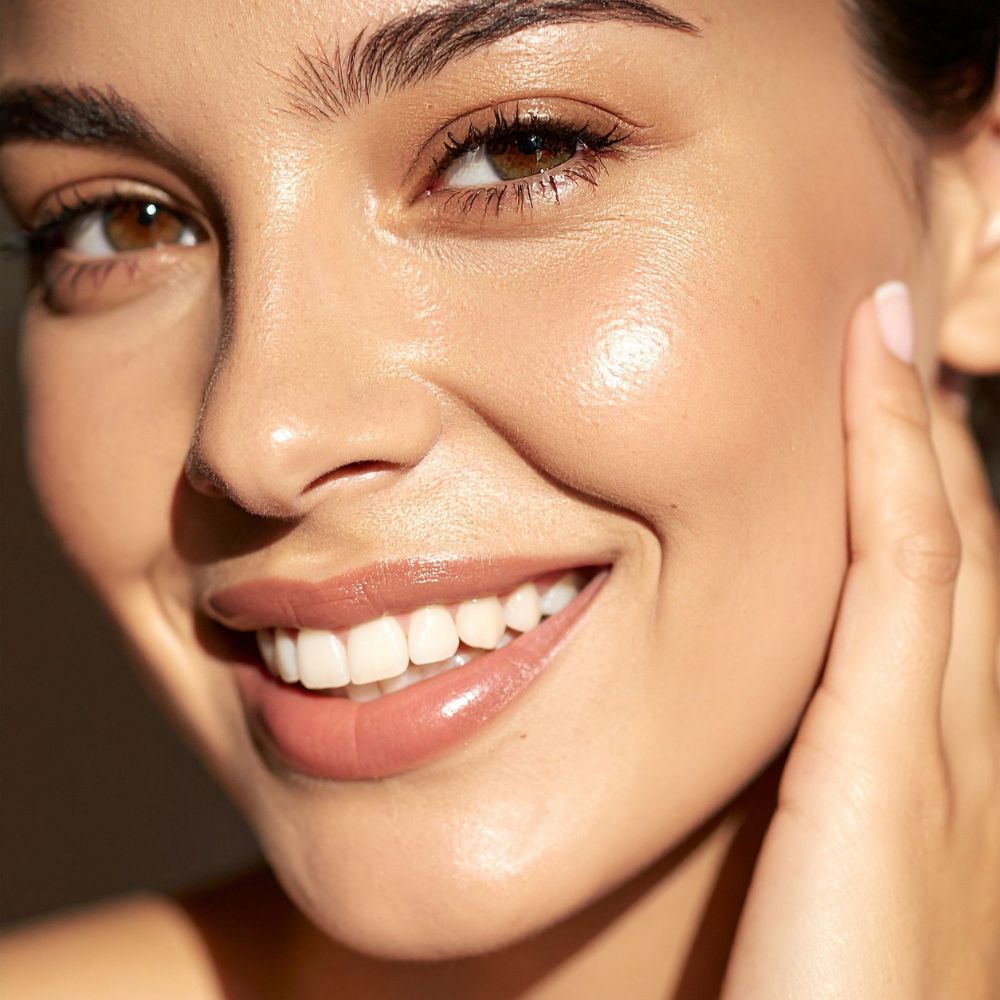
Where Pigmentation Actually Comes From
Uneven tone is not one condition. Flat brown patches scattered across the cheeks and forehead usually come from accumulated sun exposure. Dark marks that appear exactly where a spot or a scratch used to be are post inflammatory pigment. Symmetrical patches across the cheekbones and upper lip are usually melasma, which behaves differently and needs a far more cautious approach.
So we look at your skin under good light and ask about your history: sun exposure, pregnancy, hormonal medication, previous treatments, and how your skin behaves when it is irritated. That history tells us how readily your skin produces pigment, and how conservative the plan needs to be to avoid provoking more of it.
Then we build the plan in layers. In office treatment lifts existing pigment gradually. Home care slows new pigment from forming. Daily sun protection holds whatever we gain. Skipping that third layer is the single most common reason pigmentation returns within a season, and we are direct about it from the first visit.
Four Reasons People Choose Us for Tone
Diagnosis Comes First
Sun damage, post inflammatory marks, and melasma look similar and respond very differently to the same treatment.
Calibrated for Skin Tone
Deeper phototypes pigment more readily after heat or irritation, so we adjust strength rather than apply a standard setting.
Home Care That Matters
What you use between visits does much of the work, so we build a routine you can actually maintain.
Clinical Oversight
A board certified nurse practitioner assesses your skin, chooses the approach, and reviews how it responded.
What a Course of Treatment Supports
Pigment lifts in layers rather than all at once, so expect gradual evening across several weeks with maintenance to hold it.
More Even Tone
Patches gradually blend toward your surrounding skin, so the face reads as one colour rather than several.
Softer Sun Marks
Accumulated brown spots from years of exposure lighten progressively across a planned series of sessions.
Fading of Old Blemish Marks
Dark shadows left behind by past breakouts continue to clear as the skin renews itself.
Brighter Surface
Removing dull, pigment laden surface cells lets light reflect more evenly across the whole face.
Better Makeup Coverage
Even tone means less to conceal, so lighter coverage sits more naturally than heavy correction.
A Plan That Holds
Home care and daily protection maintain what we gain instead of letting pigment quietly rebuild.
Why Heat and Aggression Backfire
Pigment cells respond to injury. Heat, friction, and overly strong treatment can all prompt them to produce more pigment rather than less, which is why an aggressive approach to discoloration so often ends with a darker patch than the one you started with. That risk rises with deeper skin tones and with any history of marking easily.
We work the other way, building results with repeated, measured treatments that stay below the threshold where the skin reacts. Ansa reviews your response after each session and adjusts, and she will tell you when the pattern on your skin is melasma and needs the slower protocol rather than the brightening course you came in asking about.

Protection Holds the Result.
Ultraviolet light rebuilds pigment faster than any treatment removes it. Daily sun protection is the part of this plan that decides whether the result lasts.
How a Brightening Course Runs
We begin with assessment and photographs in consistent lighting, because pigment change is gradual enough that memory is unreliable. From there we agree on a course, usually a set of sessions spaced a few weeks apart, alongside a home routine that starts gently and builds as your skin tolerates it.
During the course you may notice pigment appearing slightly darker before it lifts, which is normal as treated cells rise to the surface. We review with photographs partway through. If a patch is not responding, we reassess what it actually is rather than simply treating it harder.
Questions About Uneven Tone
Sun spots are usually well defined individual brown marks in areas that catch the most light. Melasma is a larger, symmetrical, hormone influenced patch, most often across the cheeks, forehead, and upper lip. They need different treatment, and melasma worsens if it is treated like sun damage.
They can, particularly with sun exposure or another round of inflammation in the same spot. That is why daily protection and home care are part of the plan rather than an upsell. With maintenance, most people hold their result well through the seasons here in Rockland County.
Yes, with the right approach. Deeper phototypes produce pigment more readily in response to heat and irritation, so we treat more conservatively and build up gradually. Ansa assesses your skin type and history first, and we test tolerance before increasing strength on anything.
Most people see the first change within a few weeks, with more obvious evening across a full course. Pigment sits at different depths, so surface marks lift sooner than deeper ones. We photograph at intervals so you can see change that is too gradual to notice day to day.
Bring them in and we will look at them together. Some active ingredients work well alongside in office treatment, and some will irritate skin that is already being treated, which can cause more pigment. We would rather build one coordinated routine than have two working against each other.
Treatments That Pair With This
Melasma Treatment
For symmetrical, hormone influenced patches that need a slower and more careful protocol.
Hydrofacial
A gentle resurfacing option that keeps the skin surface clear between brightening sessions.
Acne Scar Treatment
When the issue is texture and depth rather than the colour sitting on the surface.
Have Your Tone Assessed.
Bring your skin in and we will tell you which kind of pigmentation you are dealing with before anyone suggests a treatment for it.
