
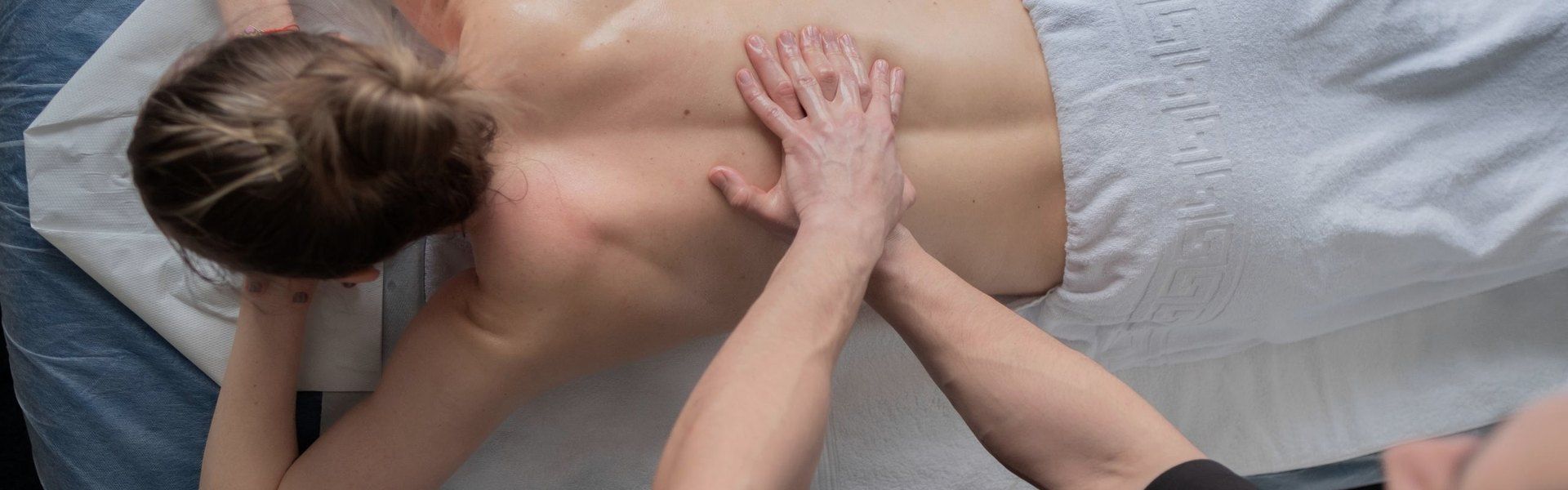
Recovery, Done Properly.
Our massage work is clinical rather than indulgent. We use it to move fluid, settle swelling and support recovery, planned around what your body is doing.
Recovery, Done Properly.
Our massage work is clinical rather than indulgent. We use it to move fluid, settle swelling and support recovery, planned around what your body is doing.
What This Kind of Massage Is and Is Not
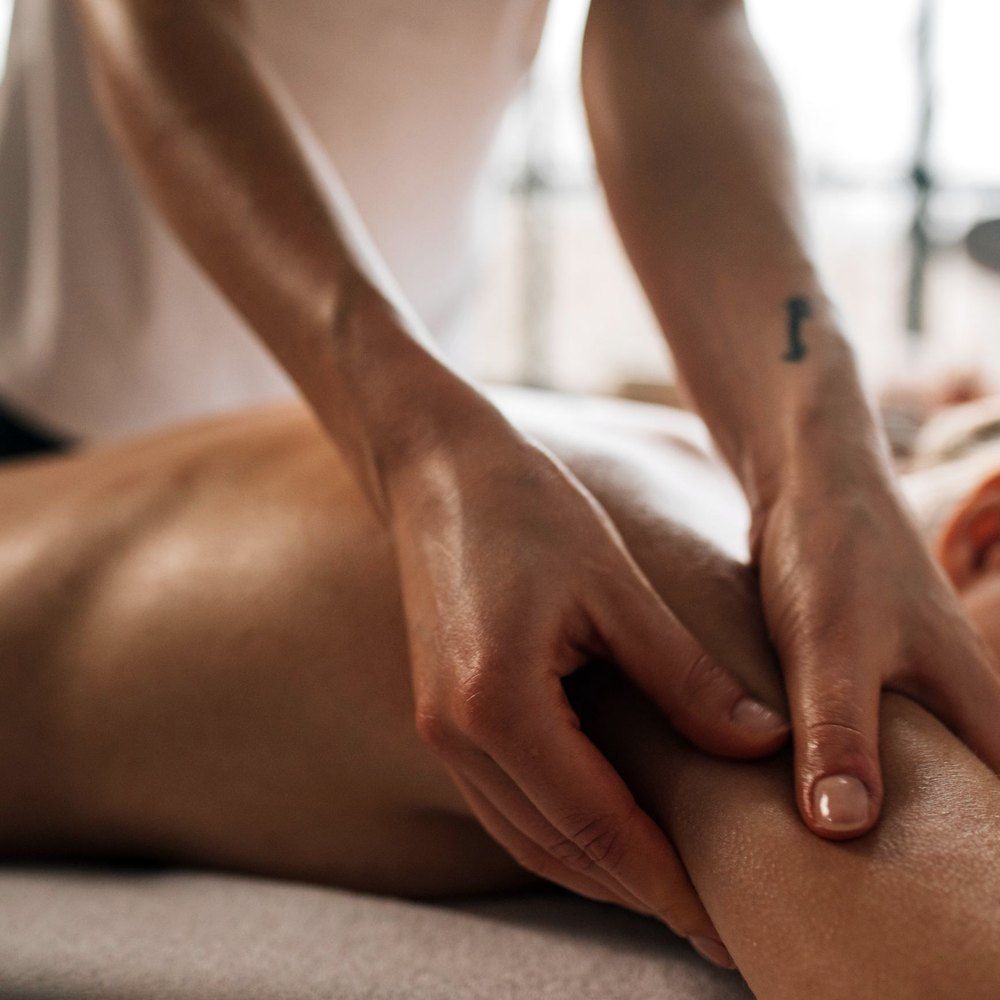
Massage therapy here means manual work with a clinical purpose. Lymphatic drainage moves fluid through a system that has no pump of its own, and post-op recovery work supports healing tissue after surgery. Both are gentle, both are structured, and both are planned as a course rather than sold as a one off treat.
The pressure surprises people. Lymphatic work is light, slow and rhythmic, closer to a steady sweep than a deep knead, because the vessels it targets sit just under the skin. Pressing harder does not move more fluid. It just makes the session uncomfortable and it can make swelling worse.
It is worth saying what this is not. This is not a spa massage for relaxation, and it is not deep tissue work for a knotted shoulder. If that is what you want, we will tell you honestly that you are better served somewhere else, and we would rather say it before you book than after.
What Sits Inside Massage Therapy
Two services, each with a specific job. Open one to see what it does, who it suits, and who should wait.
Four Reasons People Book Massage Therapy Here
Clinically Screened
We take a medical history before we touch you, because some conditions make this work unsafe rather than simply uncomfortable.
The Right Pressure
Lymphatic work is light by design, and we would rather explain why than press harder to feel thorough.
Built Around Surgery
Post-op timing is driven by your surgeon and your incisions, not by our schedule or a package you bought.
One Place, One Plan
Your massage course sits alongside the rest of your plan here, so nothing is working against anything else.
When We Say No, and Why
Moving fluid through the body is not harmless in every situation. Active infection can spread through the lymphatic system. Untreated congestive heart failure means the extra fluid returning to circulation has nowhere useful to go. An acute deep vein thrombosis is a reason to stop entirely and get you assessed. Active cancer needs clearance from your oncology team before we begin.
After surgery the rules are stricter again. We need clearance from your operating surgeon, and we never work over an incision that has not healed. Those two rules do not bend, and if you arrive without clearance we will reschedule you rather than start. It is a short conversation that prevents a long problem.
A Course, Not a Single Session.
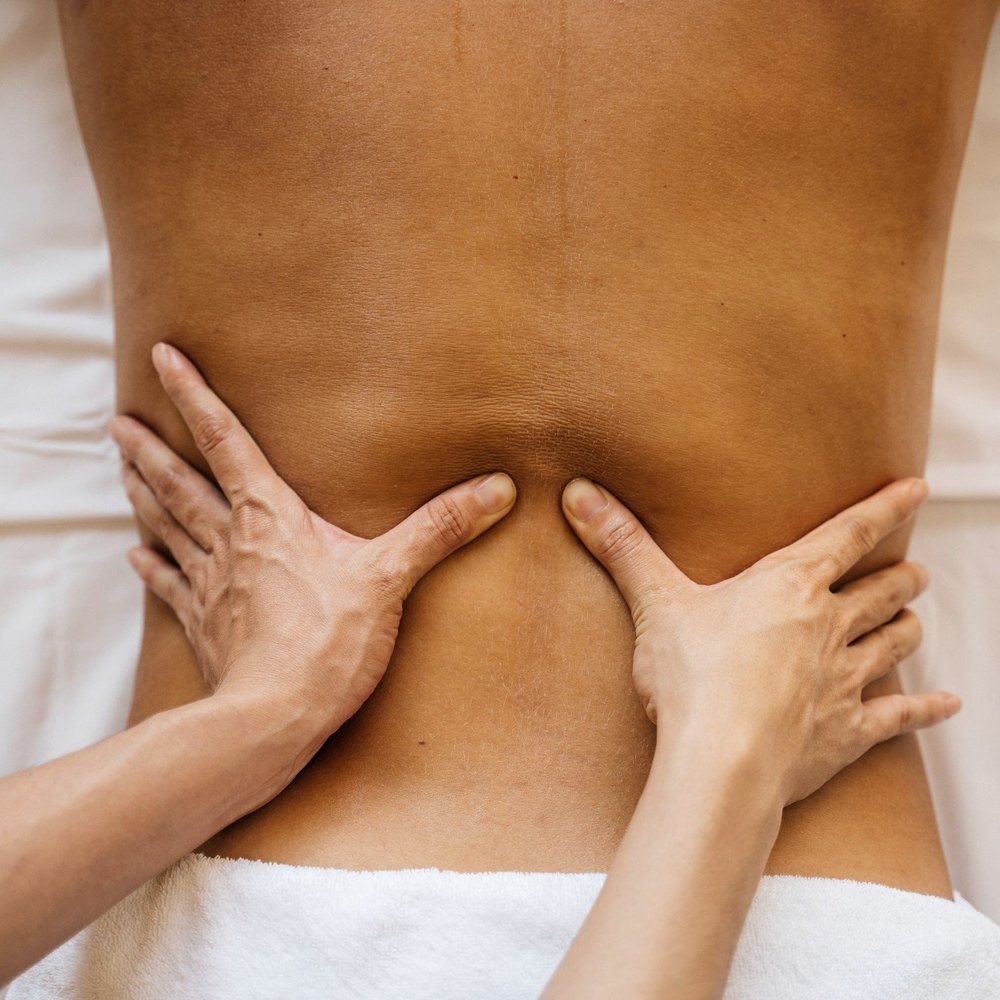
Fluid responds to consistency. We agree how many sessions you need, we space them properly, and we stop when the work is done.
What Your First Session Looks Like
We start with the history: what happened, when, what your surgeon said, what you are taking, and what you are hoping to change. If you are post-operative we want your surgery date and your clearance. If you are here for swelling with no surgical history, we want to understand why the swelling is there before we start moving it.
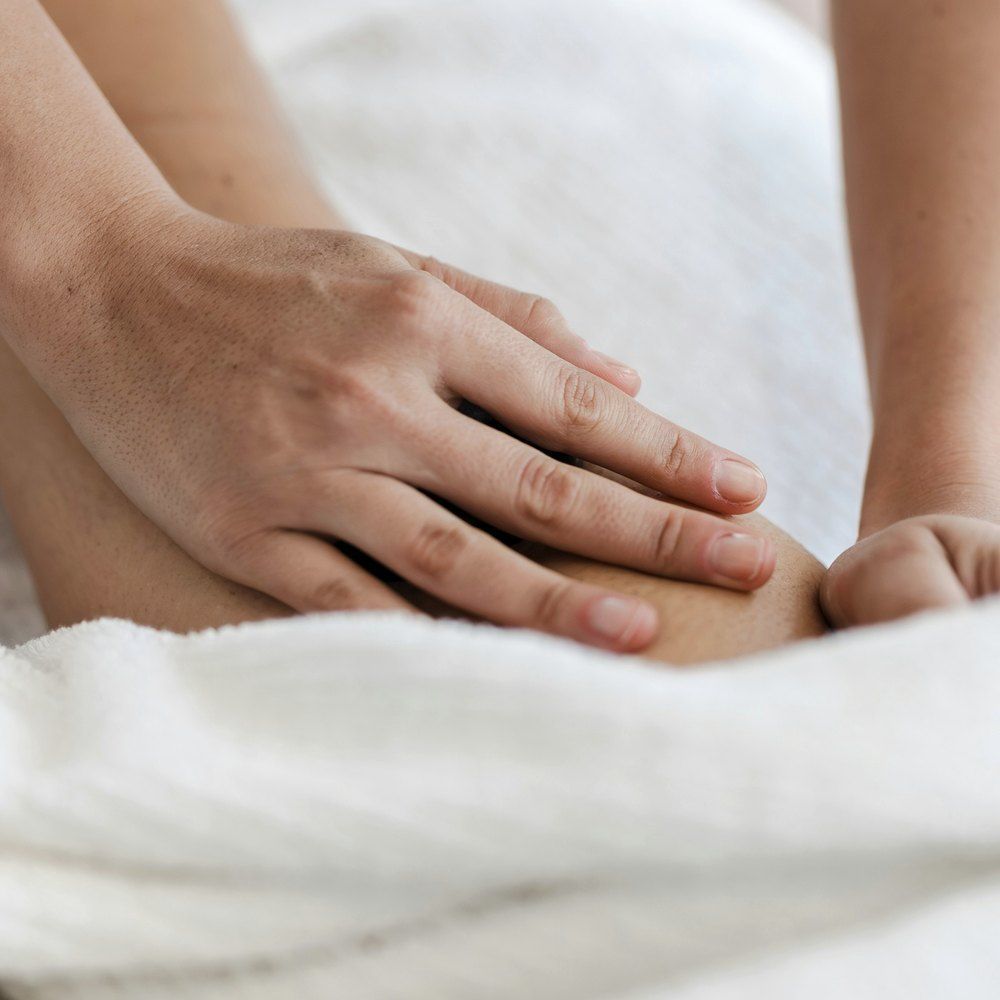
Then we agree on a plan, including how many sessions and how far apart. The session itself is quiet and slow. Most people find it far gentler than they expected, and some fall asleep. Afterwards you drink water, you move normally, and we tell you when to come back.
Questions We Are Asked Most
No, and if it hurts something is wrong. The vessels we are working with sit just under the skin, so the pressure is light and rhythmic by design. People often arrive expecting deep tissue work and are surprised by how gentle it is. Harder pressure does not move more fluid and it can aggravate swelling.
That is your surgeon's call, not ours. Some clear patients within the first week, others wait longer depending on the procedure and how you are healing. Bring the date and the clearance to your first appointment. We will not start post-operative work without it, and we will not work over an incision that has not healed.
It depends on why you are here. Post-operative courses are usually a run of sessions close together in the early weeks, then spaced out as the swelling settles. Swelling without a surgical cause is a different conversation. We agree the number at your first visit and we review it honestly as we go.
Sometimes, and it can be genuinely helpful, but it needs clearance from your oncology team first. Active cancer, recent lymph node surgery and radiation all change what is safe. Bring us your history and we will work with your team rather than around them.
No. What we do here is clinical massage with a specific job, either moving lymph or supporting post-surgical recovery. If you want a relaxation massage or deep tissue work on a tight shoulder, we will happily tell you that you are better served elsewhere.
Treatments That Pair With This
Lymphatic Drainage Massage
Light rhythmic work that supports lymphatic flow and settles fluid retention.
Post-Op Recovery Massage
Structured recovery work after surgery, once your surgeon has cleared you.
IV Hydration Therapy
Fluid and electrolyte support that sits comfortably alongside a recovery plan.
Start With a Conversation.
Tell us what happened and what you are dealing with, and we will tell you honestly whether massage is the right tool and when to start.
