

The Neck, Treated Gently.
Neck skin is thinner and heals more slowly than the face, so we treat it at lower settings, across more visits, and with a great deal more patience.
The Neck, Treated Gently.
Neck skin is thinner and heals more slowly than the face, so we treat it at lower settings, across more visits, and with a great deal more patience.
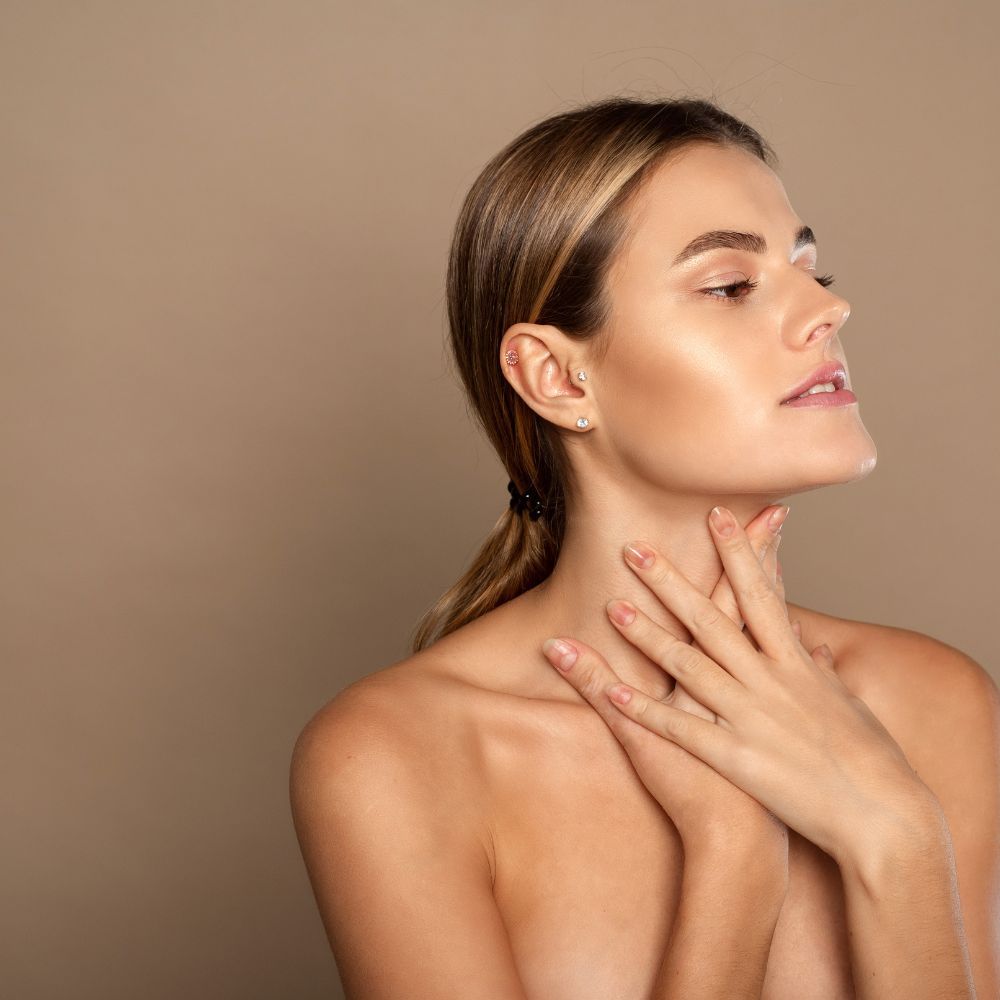
Why the Neck Needs a Lighter Hand
The skin on your neck is structurally different from the skin on your face. The dermis is thinner, there are fewer oil glands to keep it supple, and there are fewer hair follicles and glands for new skin cells to grow out from during healing. Those structures are what let facial skin recover quickly, and the neck simply has fewer of them.
That combination means the neck shows loss of firmness earlier, creases horizontally with everyday movement, and develops crepey texture and mottled pigment from years of sun that most people never protected. It also means the neck heals more slowly and marks more easily, so a setting that is routine on the cheek can be too much here.
So we treat it as its own area rather than an extension of the face. Lower intensity, more sessions, longer gaps between them, and careful attention to how the skin looked at the previous visit before we decide what to do at the next one. Progress on the neck is real, but it is earned slowly.
Four Reasons People Treat the Neck With Us
Treated as Its Own Area
We do not simply run facial settings lower down. The neck gets a plan written for its own anatomy.
Conservative by Design
Lower intensity and longer recovery windows protect skin that heals more slowly than the face does.
The Decolletage Included
Chest skin has the same fragility and the same sun history, so we usually assess and treat both together.
Clinical Judgement
A board certified nurse practitioner decides how far to go on skin where going too far shows.
What a Neck Course Supports
Expect gradual firming and smoother texture across several months, with the neck moving more slowly than the face would.
Firmer Feeling Skin
New collagen laid down across the course gradually improves support in skin that has thinned.
Softer Horizontal Lines
The creases that form with movement look shallower as the skin around them thickens and smooths.
Less Crepey Texture
The fine, papery crinkling that shows in side light refines gradually with repeated gentle treatment.
More Even Colour
Mottled sun pigment across the neck and chest lightens as the skin renews across the series.
A Better Match to the Face
Treating the neck stops it looking noticeably older than the face above it.
Comfortable Recovery
Because we work at lower intensity here, downtime stays short and predictable between visits.
How We Judge Depth on Thin Skin
Every resurfacing or collagen stimulating treatment works by controlled injury, and the safe depth depends on how thick the skin is and how well it repairs. On the neck both of those numbers are lower. Push too deep and you risk prolonged redness, textural change, or pigment that takes months to settle, on an area that is visible every day.
Ansa assesses skin thickness, laxity, and sun damage by area, then chooses settings accordingly, often varying them between the upper neck, the lower neck, and the chest in a single session. Treating under a clinical license means those judgements are made by someone trained to read skin, not applied from a fixed protocol.
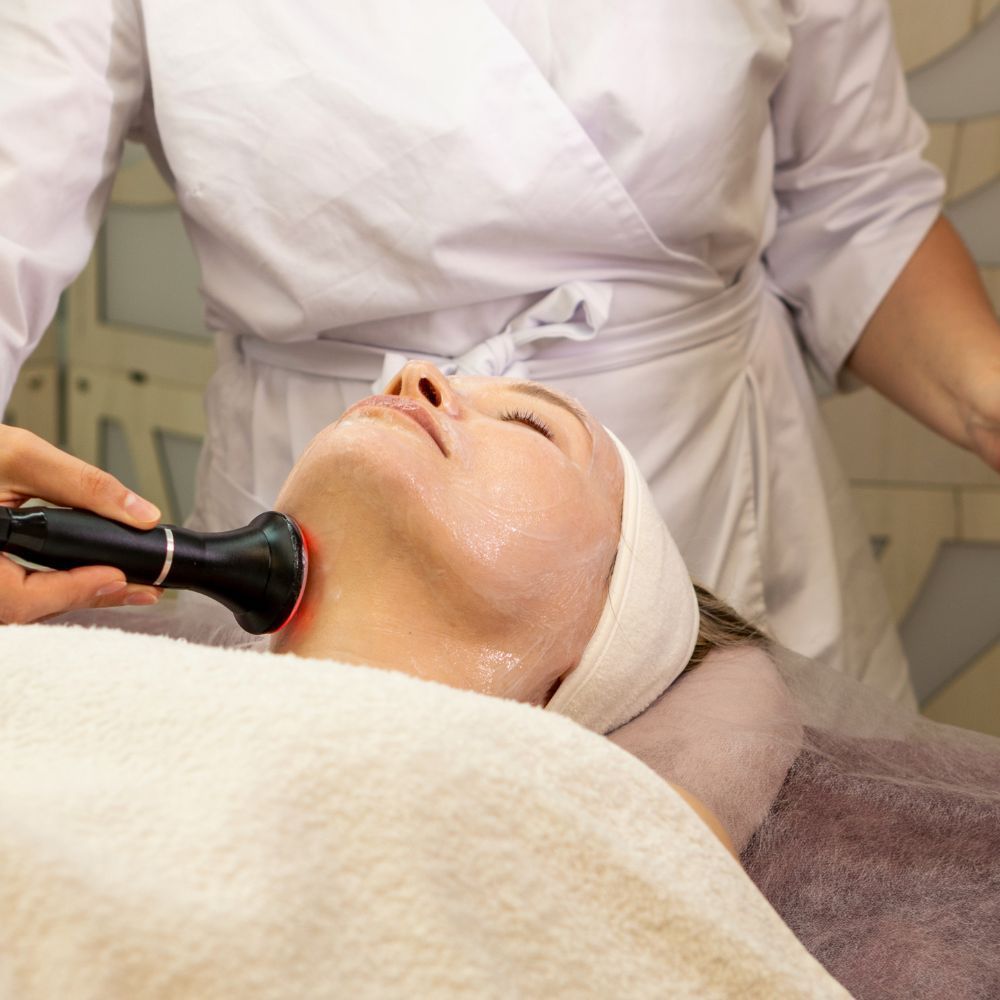
Slower Here, on Purpose.
We would rather take an extra session or two on the neck than push thin skin harder than it can comfortably repair.
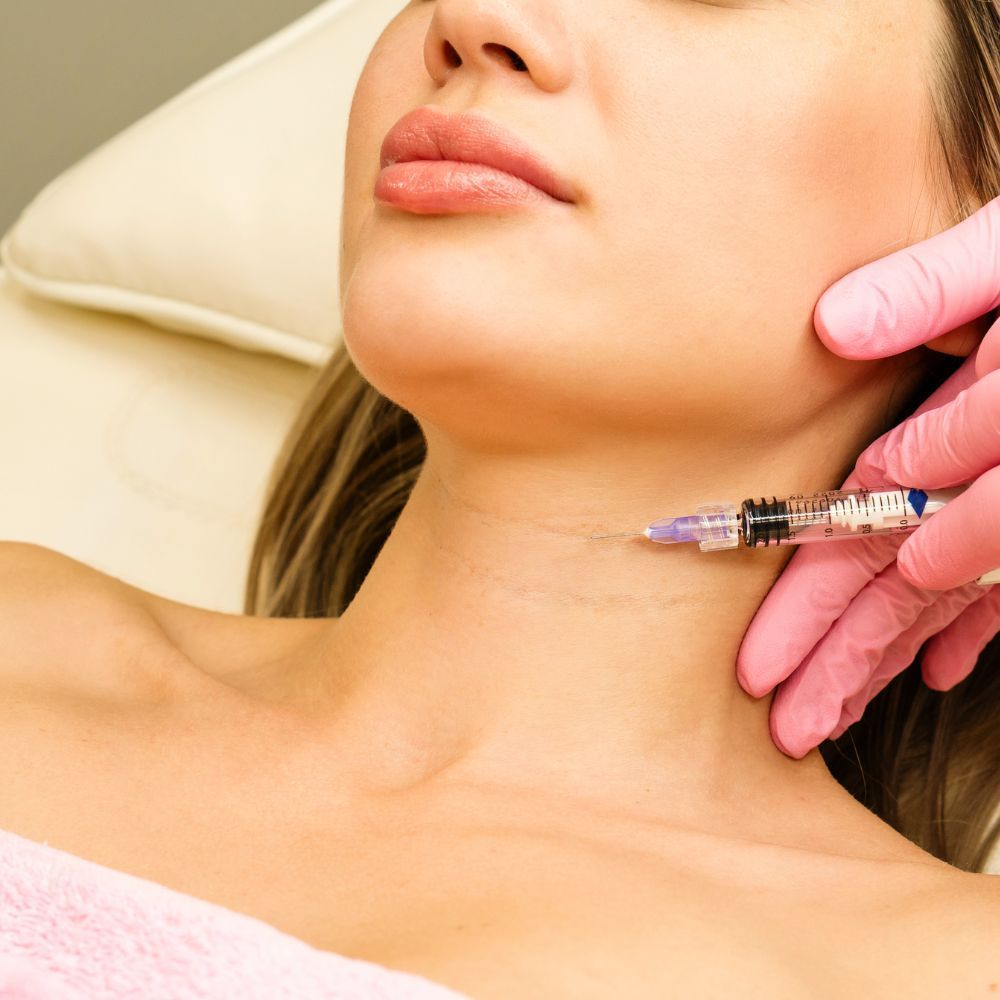
What a Neck Visit Looks Like
We start by looking at the neck and chest together in the good light of our New City treatment room, noting where laxity, lines, and sun pigment sit, and photographing them. We ask about your history with sun, and whether the neck has been treated before, because previously treated skin sometimes responds differently to what we plan.
Treatment itself is comfortable and unhurried. Afterward the neck usually feels warm and looks pink for a day or two, a little longer than the face would for the same approach. We give written aftercare, and we ask you to protect the area from sun properly while it recovers.
Questions About the Neck
Two reasons. Neck skin is naturally thinner with fewer oil glands and less structural support, and almost nobody applies sunscreen or skincare there as consistently as they do on the face. Years of that difference add up, which is why treating the neck often makes the biggest visible difference.
We can work on it, and crepey texture generally improves with a course of gentle collagen stimulating treatment. It responds more slowly than the face because the skin has less to build on. We will look at how much laxity is present and tell you honestly how much change to expect.
Not usually, partly because we deliberately work at lower intensity here. Most people describe it as warm with brief stinging. We use topical numbing where it is appropriate and we adjust as we go, so tell us if anything feels sharper than you expected.
More than the face for the same amount of change, and spaced further apart, because thin skin needs longer to repair between visits. We plan a series and review it with photographs partway through. Ansa will give you a realistic range at your consultation.
Horizontal neck lines from repeated movement and posture soften with treatment, but they rarely disappear, because the movement that creates them continues. Building collagen makes them shallower and less shadowed. We will be clear at assessment about which of your lines will respond well and which will not.
Treatments That Pair With This
Bring the Neck into the Plan.
Come in and we will assess the neck and chest properly and tell you what a gentle, realistic course would involve.
