

A Plan for Thinning Hair.
We treat hair loss as a medical problem with a timeline: we photograph the scalp, we build a course, and we tell you whether the follicles are there to work with.
A Plan for Thinning Hair.
We treat hair loss as a medical problem with a timeline: we photograph the scalp, we build a course, and we tell you whether the follicles are there to work with.
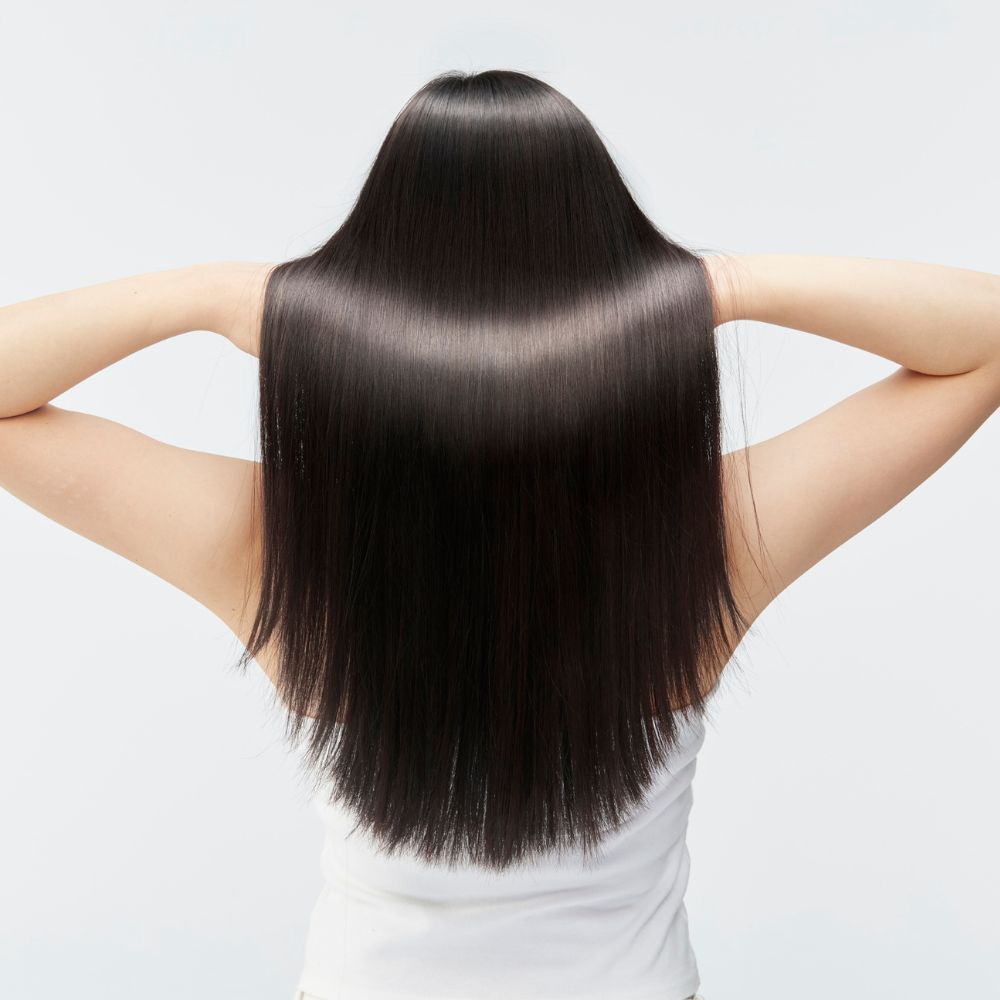
What Sits Inside Hair Restoration
Hair restoration here means non surgical treatment of thinning, delivered as a course. The two regenerative options are PRP, made from your own blood, and exosomes, a prepared signaling product. Both are placed into the scalp to support the follicles that are still active, and both are usually run as three or four sessions about a month apart.
The pattern of your loss decides the approach. Men typically thin at the temples and crown, women typically widen at the part with diffuse thinning across the top, and the two need different expectations and different photographs to track. We keep separate plans for each because the timeline, the emotional weight and the realistic ceiling are not the same.
What matters most is when you start. Treatment supports follicles that are miniaturising, meaning they still produce hair but finer and shorter each cycle. Once an area has been smooth and bare for years, the follicle is usually gone, and nothing we offer will bring it back. Early thinning is where this work pays off.
Four Reasons to Start With Us
We Tell You the Odds First
If the follicles in an area are gone, we say so at the consultation rather than selling you a course that cannot work.
Photographs, Not Impressions
We shoot the same angles under the same light every visit, so progress is a comparison and not a feeling.
A Clinician Handles the Scalp
Blood draws and scalp injections are clinical procedures, performed by a board certified nurse practitioner.
Men and Women Planned Separately
Different patterns, different timelines and different expectations, so the plans are not interchangeable.
What a Course Supports
Shedding often settles first, new growth is usually assessed at three months, and the honest read on a course comes at around six months of photographs.
Healthier Scalp Condition
Treatment supports scalp health, which is the environment every remaining follicle has to grow in.
Support for Existing Follicles
The work is aimed at follicles that are thinning, supporting them before they stop cycling altogether.
Thicker Feeling Strands
Many people notice the hair they have feels coarser and holds a style better before they see density change.
Less Visible Scalp at the Part
For diffuse thinning, the practical goal is a part line that shows less scalp under bright light.
A Slower Timeline of Loss
Consistent treatment is used to support the pace of thinning rather than leaving it entirely unmanaged.
A Decision Based on Evidence
At three months the photographs tell you whether to continue, adjust or stop, which saves you money either way.
Why Timing Decides the Outcome
Hair follicles do not disappear overnight. They shrink over cycles, producing finer, shorter, lighter hairs until they stop producing at all. Regenerative treatment is aimed squarely at that middle stage. The further along the process is when you start, the less material there is to support, which is why two years of waiting costs more than the treatment itself.
We also look for causes that no scalp treatment will fix. Thyroid problems, iron and vitamin deficiency, postpartum shifts, rapid weight loss, certain medications and significant stress all drive shedding. If your history points that way, we will tell you to get the bloodwork done first, because treating the scalp while the underlying cause runs on is a waste of your money.

Start Before It Becomes Obvious.
The best time to treat thinning is while it still feels too early to bother. The second best time is today, before another two cycles pass.

Your First Scalp Assessment
The first appointment is mostly assessment. We look at the pattern, part the hair in several places, ask when you first noticed it and what has changed since, and take the baseline photographs that everything afterwards is measured against. We also ask about family history, because it shapes what a realistic ceiling looks like for you.
Then we give you a plain answer: whether treatment is worth doing, which option fits, how many sessions, and what we expect to see and by when. If the honest answer is that the area is too far gone, you will hear that at the first visit, from the person who would otherwise be taking your booking.
What People Ask About Hair Loss
It is a real treatment with real limits, and both halves of that matter. It is used to support follicles that are still cycling, which is why it can help early and diffuse thinning and cannot help a scalp that has been bare for years. We photograph every visit so you can judge your own result at three months instead of taking our word for it.
Plan on three or four sessions about four weeks apart, then a review. Shedding often settles first, new fine hairs are usually the earliest visible change, and the fair assessment point is three to six months from your first session. If the photographs do not support continuing, we will tell you.
Not with the treatments we offer, and we will say so directly. Once an area has been smooth for several years the follicle is generally gone, and regenerative treatment supports follicles rather than creating new ones. In that situation surgical options or a referral are the honest conversation.
Yes, in pattern and in workup. Women more often present with diffuse thinning and a widening part, and the causes are more likely to include thyroid, iron, postpartum change or medication. We plan those cases separately and often ask for bloodwork before starting.
The thinning process continues underneath, so results are maintained rather than banked. After the initial course, most people move to maintenance sessions at intervals we set from the photographs. You can stop at any point, and we will tell you what to expect if you do.
Treatments That Pair With This
PRP Hair Restoration
The course most people start with, built around your own concentrated platelets and a set schedule.
Exosome Hair Restoration
The premium option when we want a stronger signal without a blood draw.
Hair Loss Treatment for Women
Diffuse thinning and a widening part need their own plan and their own workup.
Get an Honest Assessment.
Book a scalp assessment in New City and we will photograph, examine and tell you whether a course makes sense for you, including when the answer is no.
