

A Course That Actually Finishes.
We plan laser hair removal around the hair growth cycle, which is why it takes a course of sessions spaced weeks apart, tracked area by area, rather than one appointment.
A Course That Actually Finishes.
We plan laser hair removal around the hair growth cycle, which is why it takes a course of sessions spaced weeks apart, tracked area by area, rather than one appointment.
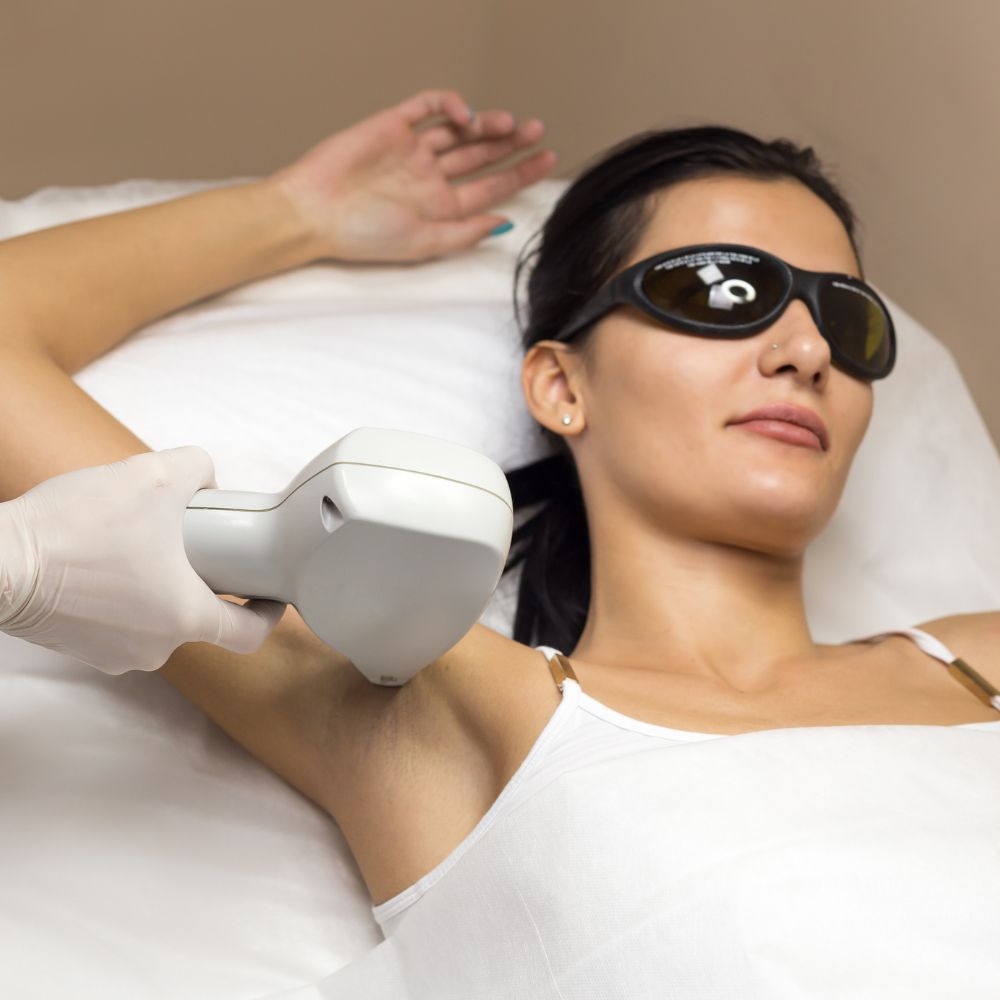
How Laser Hair Removal Works
The laser targets pigment in the hair, and that energy converts to heat in the follicle. This only does useful work while a hair is in its active growing phase, and at any moment only a portion of the hair in an area is in that phase. That single fact explains the entire structure of treatment, and why one session is never enough.
So we treat in a course. Sessions are spaced several weeks apart, with the interval set by the area, since the face cycles faster than the legs or back. Each visit catches a different portion of follicles at the right moment, which is why the count of remaining hair drops step by step across a course rather than all at once.
Because it works on pigment, results depend on contrast between hair and skin. Dark, coarse hair responds best. White, grey and very fine light hair have little pigment to target, and no honest provider can promise a result there. We assess your skin tone and hair type first and tell you which areas are worth treating.
Four Reasons People Book With Us
Assessed by a Clinician
Your skin type, medication and history are reviewed by a nurse practitioner before any energy touches you.
Settings Chosen for You
We calibrate to your skin tone and hair type rather than running one aggressive setting on everyone.
A Realistic Session Count
You are told at the consultation roughly how many sessions your area needs, and what maintenance follows.
We Say No When Needed
If your hair lacks the pigment to respond, we tell you before you pay rather than after session four.
What a Full Course Supports
Most people see meaningful thinning by the third or fourth session, with the fuller effect after a completed course and occasional maintenance afterwards.
Noticeably Less Hair
A completed course supports a lasting reduction in how much hair grows back in the treated area.
Finer, Softer Regrowth
The hair that does return typically comes back finer and lighter than what you started with.
Fewer Ingrown Hairs
Reducing hair in an area supports far fewer ingrowns, which matters most on the neck and bikini line.
Less Daily Maintenance
The practical benefit most people report is simply not planning their week around shaving.
Calmer Skin
Less shaving and waxing supports less ongoing irritation, razor burn and post shaving bumps.
Predictable Scheduling
Sessions are booked as a course with set intervals, so you know the whole commitment in advance.
Safety, Skin Tone and Settings
The risk in laser hair removal is not the hair, it is the pigment in your skin absorbing energy meant for the follicle. That is why we assess your skin tone properly, why we ask about recent sun exposure and self tanner, and why we test patch. Conservative settings that work are better than aggressive settings that burn.
Medication matters too. Some antibiotics, acne medications and other drugs increase light sensitivity, and certain conditions and recent treatments change what is safe. A nurse practitioner reviewing that history is not a formality, it is the part that prevents the complications people arrive telling us about after treatment somewhere else.
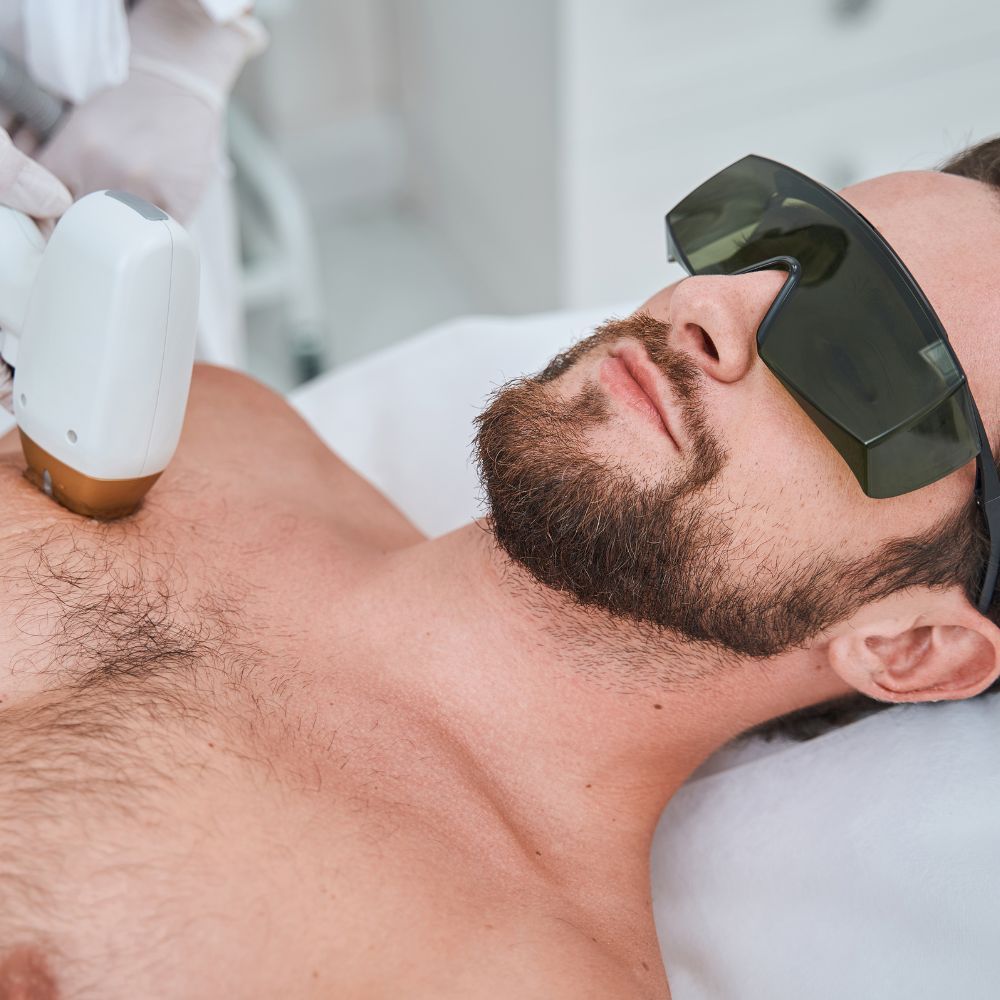
Finish the Course, Keep the Result.
Half a course is money spent on a result that grows back. The value sits in completing the schedule and keeping the intervals honest.
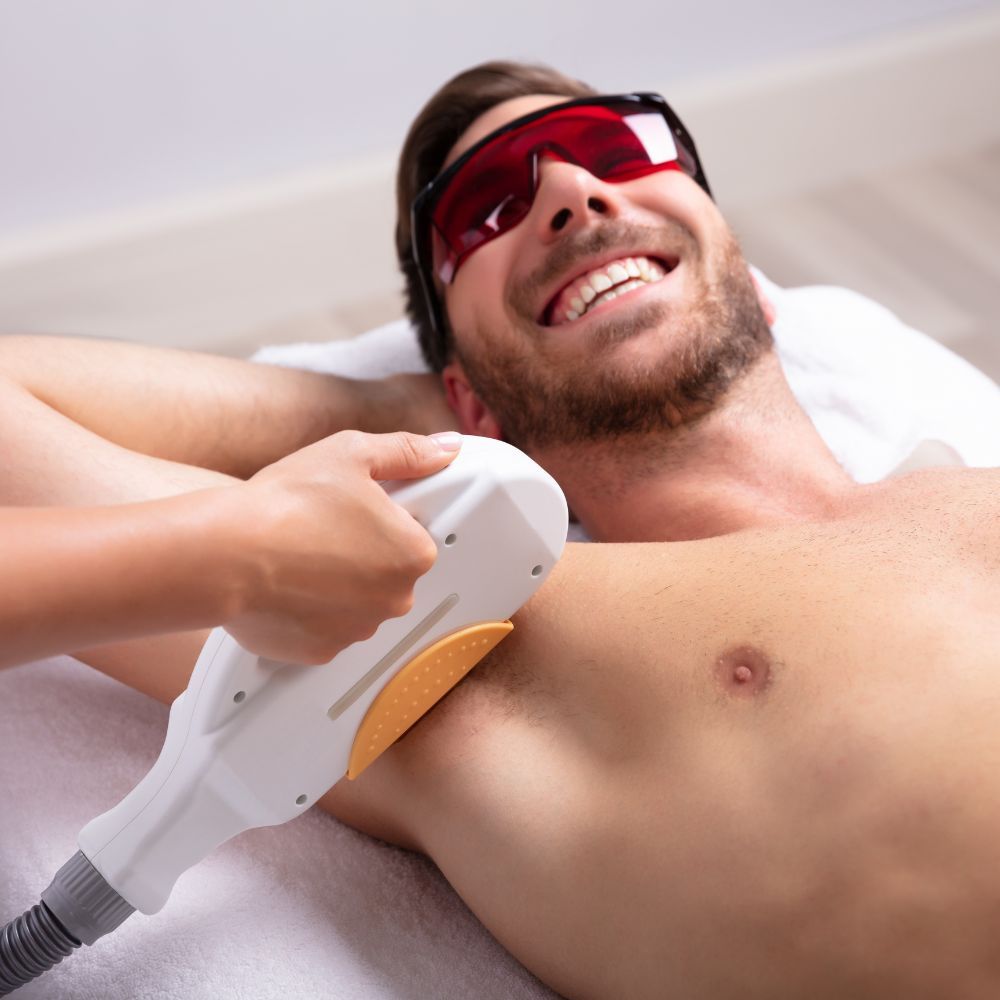
Before, During and After a Session
Shave the area the day before, do not wax or pluck for several weeks beforehand, and arrive with no lotion, deodorant or makeup on the area. Waxing removes the very target we need, so plucking and waxing are the two things that quietly waste a session. Avoid sun and self tanner for two weeks before you come.
The sensation is usually described as a hot snap against the skin, quick and repeated. Most areas take between ten minutes and forty five, depending on size. Afterwards the area looks like mild sunburn for a few hours to a day. Avoid heat, hot showers, heavy exercise and sun for about forty eight hours, and use sunscreen after that.
What People Ask Before Their First Session
Most areas need six to eight sessions to see the full effect of a course, because only part of your hair is treatable at any given time. Coarse areas often respond faster than fine ones, and hormonal areas such as the face frequently need more. We give you an estimated count for your specific areas at the consultation.
Most people describe a quick hot snap rather than sustained pain, and it is over fast in small areas. Sensitive areas such as the upper lip and bikini line are more uncomfortable than legs or arms. We can adjust our pace, use cooling, and stop whenever you need a moment.
Generally no, and we would rather tell you that up front. The laser targets pigment in the hair, so white, grey and very fine light hair usually have too little to respond. Dark hair on lighter skin responds best, though we can treat a range of skin tones with the right settings.
A completed course supports a long lasting reduction rather than the permanent end of all growth. Hormonal change, pregnancy and certain medications can activate follicles that were dormant, particularly on the face. Most people keep their result with occasional maintenance sessions rather than starting over.
Yes, with more discipline about sun exposure. Treated skin and recently tanned skin both need care, so we ask for two weeks without sun or self tanner either side of each session, plus daily sunscreen. If you have a beach holiday booked, tell us and we will schedule around it.
Treatments That Pair With This
Laser Hair Removal for Women
Area by area detail on the treatments women book most, and what each course involves.
Laser Hair Removal for Men
Back, chest and beard line work, including how we handle dense coarse hair.
Skin Brightening and Pigmentation
For the discoloration and shaving marks that laser treatment does not address.
Book a Consultation First.
We will assess your skin and hair type in our New City office, tell you which areas are worth treating, and give you an honest session count.
