
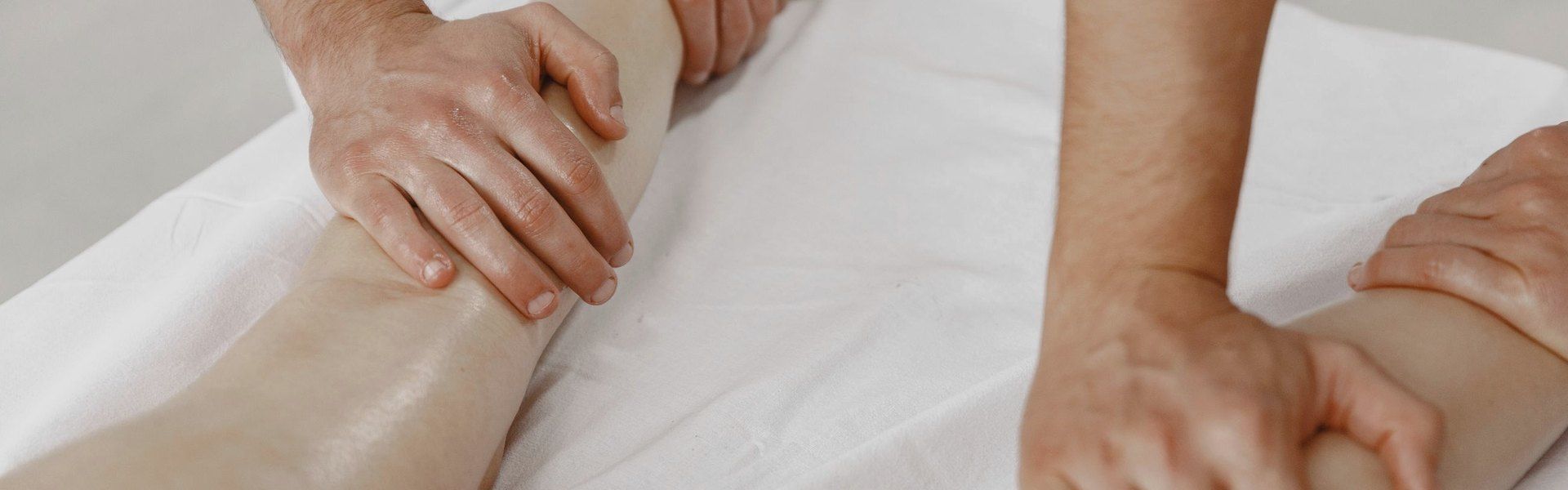
Less Swelling, Gentler Than You Expect.
Lymphatic drainage uses light, rhythmic strokes along the surface of the skin to support lymph flow, which is how swelling, heaviness and puffiness settle.
Less Swelling, Gentler Than You Expect.
Lymphatic drainage uses light, rhythmic strokes along the surface of the skin to support lymph flow, which is how swelling, heaviness and puffiness settle.
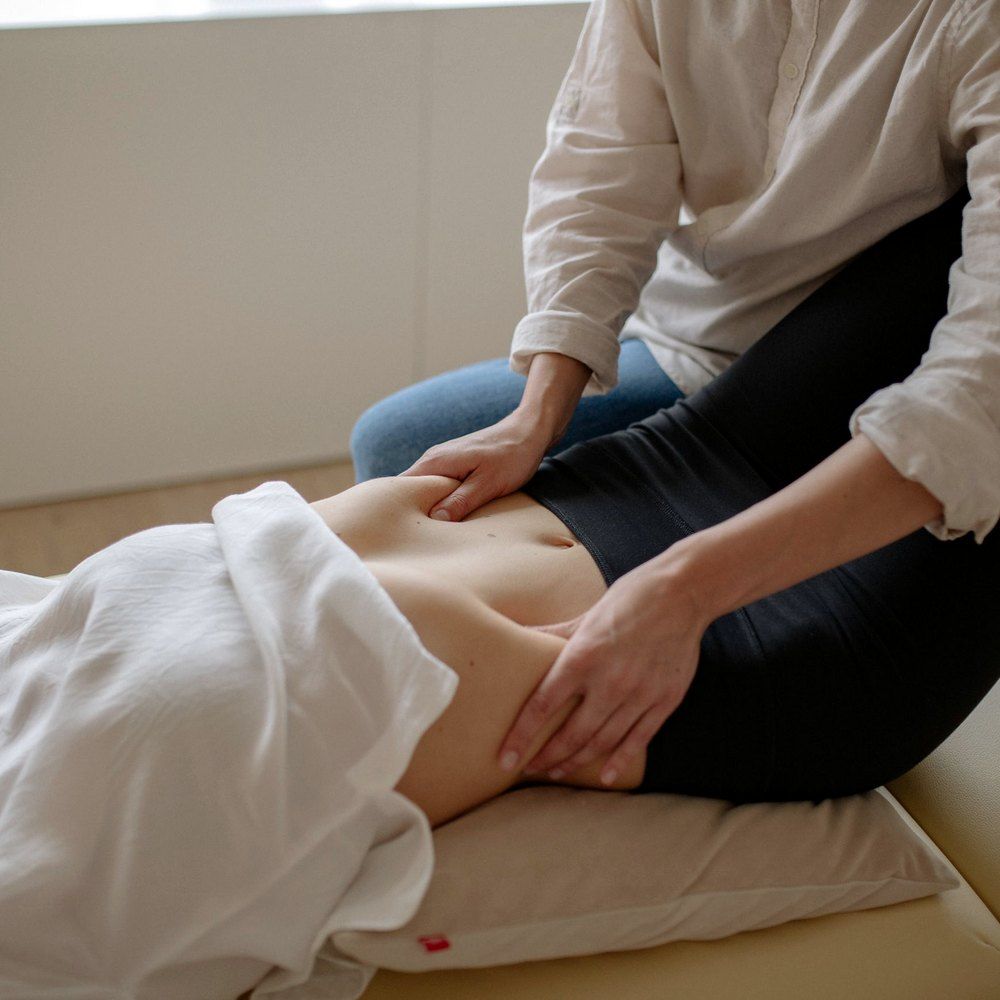
What Lymphatic Drainage Massage Is and Is Not
Lymphatic drainage massage is a light, rhythmic technique that works on the surface of your skin rather than deep in your muscle. Your lymphatic system has no pump of its own, so it relies on movement, breathing and gentle external pressure to keep fluid travelling toward the nodes that filter it. We work with that rhythm instead of forcing it.
Most people are surprised by how gentle it feels. If you have booked deep tissue work before, set that expectation aside, because pressing hard flattens the small vessels we are trying to encourage and makes the session less effective, not more. The pace is slow and repetitive, the contact is light, and many patients tell us they drifted off partway through the hour.
It is worth saying what this is not. Lymphatic drainage is not a deep tissue massage, not a treatment for a medical condition, and not a way to lose weight, so any change on the scale afterward is fluid rather than fat. We will not work on you during an active infection, with untreated congestive heart failure, with an acute blood clot, or with active cancer that has no oncology clearance.
Four Reasons People Choose Lymphatic Drainage
Swelling That Lingers
Fluid that settles in your legs, ankles or face after travel, heat or a long week has somewhere to go.
Post Surgical Care
Surgeons often prescribe a course of lymphatic work after cosmetic procedures, and we follow their written or verbal clearance closely.
A Gentler Option
People who cannot tolerate deep tissue pressure often find this technique comfortable enough to book regularly without soreness afterward.
Clinical Screening
A board certified nurse practitioner reviews your history and medications before we decide whether this technique is safe for you.
What Lymphatic Drainage Supports
These are the changes people most often report after a session or a short course of sessions, and they describe support for your own circulation rather than a promise about any single outcome.
Reduced Puffiness
Light rhythmic work supports the movement of fluid away from your ankles, hands and face where it tends to pool.
Lighter Limbs
Many people describe legs that feel less heavy and less tight by the evening of their appointment.
Calmer Nervous System
The slow repetitive pace tends to settle your breathing and heart rate, which is why sessions feel restful.
Post Surgical Comfort
With surgical clearance in hand, gentle drainage supports the swelling and tightness that follow a planned cosmetic procedure.
Better Sleep
Patients frequently tell us they sleep more soundly the night after a session, which we treat as a welcome side effect.
Clearer Skin Tone
Supporting fluid movement through the face can soften the morning puffiness that makes skin look dull and tired.
Why We Screen Before We Begin
Your lymphatic system carries fluid, proteins and immune cells through vessels that sit close to the skin surface and empty into nodes in your neck, armpits, abdomen and groin. Gentle stretch on the skin opens those vessels and encourages them to contract, which is why the pressure stays light. Deep force compresses the same vessels shut, so harder is genuinely not better here.
That same mechanism is the reason we screen. Moving fluid faster is unwise during an active infection, because it can carry bacteria along with it. It adds volume to a circulation that is already struggling in untreated congestive heart failure. It is unsafe near an acute deep vein thrombosis, and it requires oncology clearance first if you have active cancer. We ask, and we act on the answers.
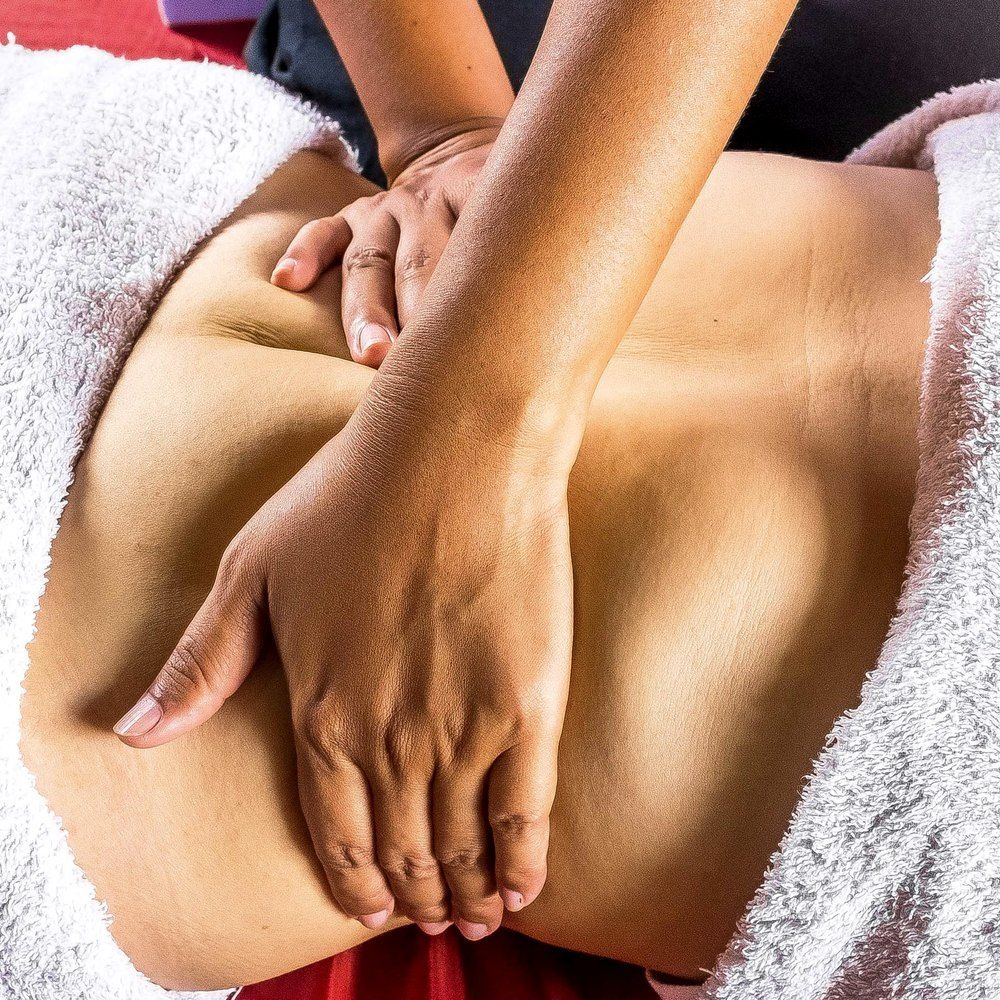
Gentle Is the Point.
If you leave wondering whether anything happened because nothing hurt, that is the technique working exactly as intended, and the results tend to show up later.
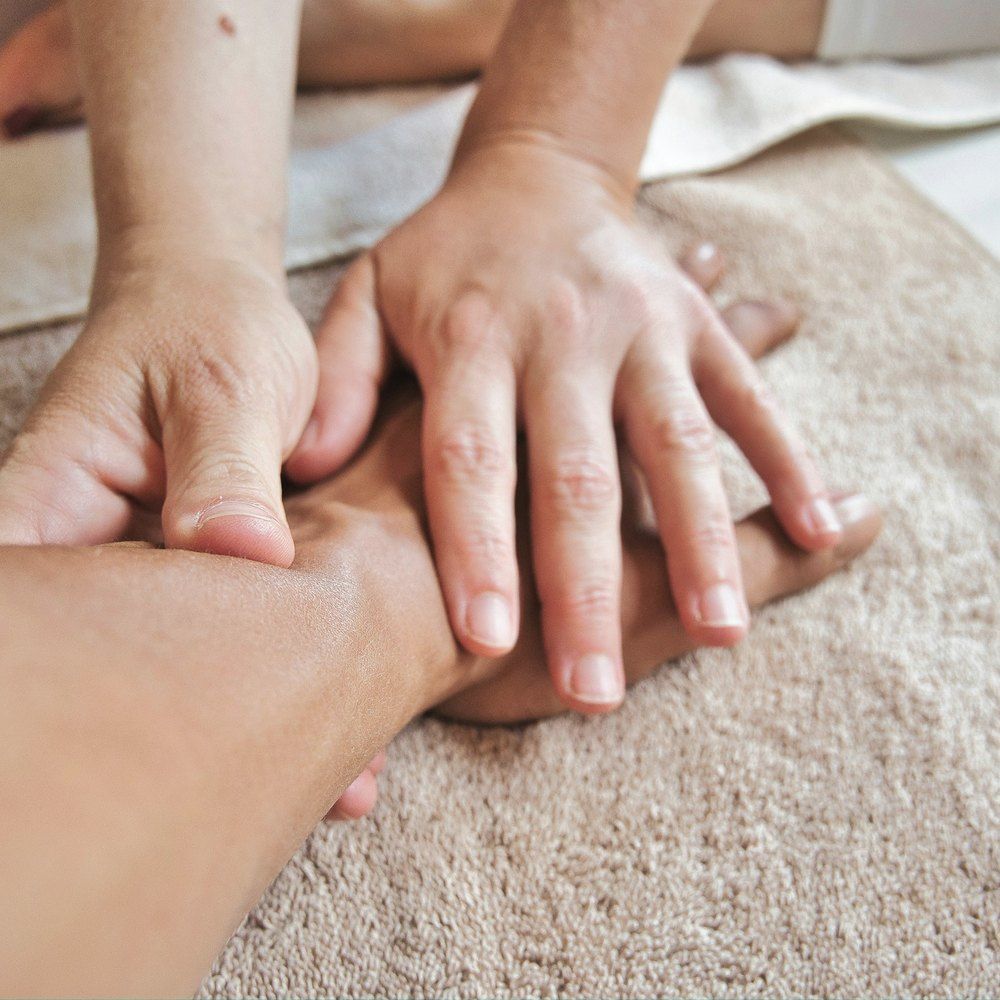
What Your First Session Looks Like
Your first appointment at our New City, New York office starts with a conversation, not a table. We go through your health history, your medications, any recent surgery and anything your doctor has told you about your heart, your circulation or your immune system. If everything is clear, we explain the plan, answer your questions, and give you privacy to get comfortable.
The work itself begins at your neck, because that is where the fluid eventually drains, and then moves outward to the areas you came in for. Expect long, slow, repeating strokes and very little pressure. Afterward we ask you to drink water, keep moving gently through the day, and skip a heavy gym session until tomorrow.
Questions We Are Asked Most
No, and most people are genuinely surprised by how light it is. The strokes stay at skin level and never press into muscle, because firm pressure would close the vessels we are trying to open. If you want deep tissue work, this is not that, and we will happily tell you so before you book.
We do not perform it during an active infection, with untreated congestive heart failure, with an acute deep vein thrombosis, or with active cancer unless your oncology team has cleared it. Kidney disease, recent surgery and pregnancy all need a conversation first. Tell us your full history, including medications, and we will be straight with you about whether to proceed.
It depends on why you came. For general puffiness and heaviness, many people book a single session and repeat it seasonally or before an event. After surgery, surgeons often prescribe a course over several weeks, and we follow that plan. We will tell you honestly if we think one session is enough rather than sell you a package.
No. Any drop you see on the scale immediately afterward is fluid, and it returns as your body rebalances. What the technique can do is support the movement of fluid that has pooled, which often looks and feels like less puffiness. Weight itself answers to nutrition, sleep, activity and medical care, and we will say that plainly.
Most people feel relaxed, a little sleepy and noticeably lighter in the treated areas. You will likely use the bathroom more than usual for the next day, which is normal and expected. Occasional mild fatigue happens too. Drink water, move gently, and let us know if anything feels off so we can adjust next time.
Treatments That Pair With This
Massage Therapy
Our full range of hands on bodywork, from gentle drainage to focused recovery sessions.
Post-Op Recovery Massage
Gentle drainage work after cosmetic surgery, performed only with clearance from your operating surgeon.
Detox Drip
Fluid and targeted nutrients that support the organs already doing your body's filtering work.
Book a Gentle Hour.
Call us at (914) 571-6870 to book, and we will review your history first so you know before you arrive whether this is right for you.
